

Can Teeth Grinding Cause Gum Recession?
Most people associate teeth grinding with flattened enamel or a sore jaw. But as periodontists, we often see the first devastating signs of bruxism much closer to the root—where the gums are silently pulling away from the teeth.
If you've noticed that your teeth appear longer than they once did, you've developed increased tooth sensitivity, or your dentist has mentioned receding gums, you may naturally assume the cause is aggressive brushing or gum disease. While those are certainly common contributors, they are not the only explanations. An often-overlooked factor is bruxism—the chronic clenching and grinding of your teeth, particularly while you sleep.
The relationship between teeth grinding and gum recession isn't always straightforward. Bruxism doesn't directly "wear away" gum tissue the way it wears away enamel. Instead, the tremendous forces generated by repeated clenching can overload the supporting structures around your teeth, contributing to inflammation, tiny areas of tissue trauma, tooth mobility, bone remodeling, and recession in susceptible patients. Over time, those changes can become increasingly noticeable if the underlying habit goes untreated.
Understanding this connection is important because treating the symptoms without addressing the underlying cause often leads to ongoing damage. Covering exposed roots with gum grafting, restoring chipped teeth, or replacing worn restorations may provide excellent results—but if nighttime grinding continues unchecked, the same destructive forces remain.
At Bucks County Periodontics, Dr. Ryan Kaye regularly evaluates patients whose gum recession is influenced by a combination of factors, including periodontal disease, genetics, oral hygiene habits, bite alignment, and bruxism. Identifying every contributing factor allows treatment to focus not only on repairing existing damage but also on protecting your oral health for years to come.
Whether you've recently noticed receding gums or have lived with teeth grinding for years, understanding how these conditions interact can help you make informed decisions about protecting your smile.
Understanding the Relationship Between Bruxism and Gum Recession
One of the most common questions patients ask is simple:
Can grinding your teeth actually cause your gums to recede?
The answer is nuanced.
Bruxism alone is not considered a primary cause of gum recession in every patient. However, extensive clinical evidence shows that excessive biting forces can contribute to recession when combined with other risk factors. In periodontal medicine, we often think of these conditions as multifactorial—meaning several issues work together to produce the final outcome.
Imagine repeatedly bending a paperclip.
One bend doesn't break it.
Hundreds or thousands of bends eventually weaken the metal until it fails.
Your teeth and supporting tissues experience a similar phenomenon. Every night, many people unknowingly clench with forces that may exceed 200 pounds. Instead of chewing food—which distributes forces dynamically—bruxism often involves sustained, concentrated pressure on specific teeth.
These excessive loads are transferred through the roots into the periodontal ligament and surrounding bone.
Over months or years, this constant stress can contribute to microscopic injury within the supporting structures.
While healthy tissues often adapt remarkably well, adaptation has limits.
Eventually, tissues may begin showing signs of overload.
These signs can include:
- Gum recession
- Tooth mobility
- Widening of the periodontal ligament
- Bone changes visible on radiographs
- Tooth sensitivity
- Abfraction lesions near the gumline
- Cracked or fractured teeth
- Wear facets on the chewing surfaces
The gums themselves are not being "rubbed away" by grinding.
Instead, the excessive mechanical forces may create conditions where gum tissue becomes increasingly vulnerable, especially if other periodontal concerns are already present.
Gum Recession Is Usually Multifactorial
One of the reasons gum recession can be difficult to diagnose is that it rarely has only one cause.
Several contributing factors may exist simultaneously.
These commonly include:
Periodontal disease
Inflammation caused by bacterial plaque remains one of the leading causes of gum recession. As infection progresses, the tissues supporting the teeth begin to deteriorate, leading to attachment loss and bone loss.
Aggressive brushing
Brushing too hard—or using improper brushing techniques over many years—can gradually wear away gum tissue.
Thin gum tissue
Some individuals naturally have thinner periodontal tissue, making them more susceptible to recession even with relatively minor trauma.
Orthodontic movement
In some cases, moving teeth outside the natural housing of supporting bone may contribute to recession.
Tobacco use
Smoking significantly impairs blood supply to gum tissue and slows healing.
Bite problems
An uneven bite can concentrate excessive force on individual teeth.
Bruxism
Grinding or clenching can magnify all of these existing risk factors by continually stressing the supporting tissues.
Rather than asking whether grinding "causes" gum recession in isolation, a periodontist evaluates how it interacts with every other factor affecting your periodontal health.
Why Periodontists Often Notice the Problem First
Many people think of teeth grinding primarily as a dental issue.
However, the earliest evidence may actually involve the periodontal tissues.
During a periodontal examination, Dr. Ryan Kaye evaluates far more than your gums alone.
A comprehensive examination includes assessing:
- Gum attachment levels
- Bone support
- Tooth mobility
- Bite forces
- Gum thickness
- Areas of recession
- Wear patterns
- Root exposure
- Signs of inflammation
- Existing restorations
- Occlusal trauma
Looking at these findings together often reveals a pattern.
For example, a patient may present with:
- Healthy brushing habits
- Excellent oral hygiene
- Minimal plaque
- Little or no periodontal disease
Yet several teeth show isolated gum recession alongside flattened chewing surfaces and chipped enamel.
That combination raises important questions about nighttime grinding.
Without evaluating the bite and supporting tissues together, it's possible to miss an important contributor to the recession.
How Excessive Bite Forces Affect the Supporting Structures
Every tooth is suspended within bone by an incredibly sophisticated structure called the periodontal ligament.
Rather than being fused directly to bone, each tooth sits within this tiny shock-absorbing ligament.
Under normal chewing conditions, the ligament distributes pressure efficiently.
During chronic clenching, however, those forces increase dramatically.
Imagine parking a car gently.
Now imagine slamming it into the curb hundreds of times every night.
The supporting structures eventually begin absorbing repeated trauma.
Potential consequences include:
Inflammation within the periodontal ligament
Repeated compression can trigger localized inflammation around the root.
Bone remodeling
Bone constantly remodels in response to stress.
When forces become excessive, the body may begin altering the surrounding bone architecture.
Increased tooth mobility
Overloaded teeth sometimes become slightly looser.
Patients occasionally notice this before significant recession develops.
Gum tissue changes
As supporting bone changes, the overlying soft tissue may gradually recede.
This process is typically slow.
Many patients don't notice changes until several millimeters of recession have already occurred.
Signs Your Gum Recession May Be Related to Teeth Grinding
Because grinding occurs during sleep, many patients have no idea they're doing it.
Instead, they notice the consequences.
Possible warning signs include:
Teeth that appear longer
As gum tissue recedes, more root structure becomes visible.
Tooth sensitivity
Exposed root surfaces respond more intensely to cold drinks, sweets, and temperature changes.
Notches near the gumline
These wedge-shaped defects, called abfraction lesions, frequently occur alongside excessive bite forces.
Chipped enamel
Small fractures around the edges of teeth often accompany chronic grinding.
Morning jaw soreness
Tight facial muscles upon waking frequently indicate overnight clenching.
Frequent headaches
Morning headaches are another common symptom.
Clicking or popping jaws
Some patients also experience temporomandibular joint symptoms.
Flattened teeth
Years of grinding gradually wear away the natural anatomy of the teeth.
When several of these findings occur together with gum recession, a comprehensive periodontal evaluation becomes especially valuable.
Why Gum Recession Should Never Be Ignored
Some patients assume receding gums are merely cosmetic.
In reality, gum recession can create several long-term oral health challenges.
Exposed roots lack the thick enamel covering found on the crown of the tooth.
Instead, root surfaces are covered by cementum—a much softer material.
As roots become exposed, they become more vulnerable to:
- Root cavities
- Temperature sensitivity
- Plaque accumulation
- Further recession
- Tooth wear
- Cosmetic concerns
If supporting bone is also being affected, tooth stability may eventually become compromised.
Fortunately, early intervention can often preserve existing tissues while preventing additional damage.
Diagnosing the True Cause of Gum Recession
No two patients experience recession for the same reasons.
This is why diagnosis is so important.
At Bucks County Periodontics, identifying the underlying cause begins with a comprehensive examination rather than assuming every patient requires the same treatment.
Depending on your individual situation, evaluation may include:
- Reviewing your medical and dental history
- Measuring gum attachment levels
- Assessing pocket depths
- Evaluating tooth mobility
- Examining bite relationships
- Looking for wear patterns
- Reviewing radiographs
- Identifying bone loss
- Assessing gum thickness
- Discussing nighttime symptoms
This comprehensive approach helps distinguish recession caused primarily by periodontal disease from recession influenced by traumatic bite forces, brushing habits, or multiple overlapping factors.
Only after identifying every contributing factor can an effective treatment plan be developed.
Can Treating Bruxism Stop Gum Recession?
Treating bruxism doesn't reverse recession that's already occurred.
However, it may significantly reduce continued damage.
One of the primary goals is decreasing the excessive forces placed on the teeth every night.
Depending on your needs, treatment may include a custom-fabricated night guard designed specifically for your bite.
Unlike over-the-counter appliances, professionally fabricated guards are carefully adjusted to distribute forces evenly while protecting both teeth and supporting tissues.
Treatment may also include evaluating contributing factors such as:
- Sleep habits
- Stress management
- Bite alignment
- Existing restorations
- Muscle tension
- TMJ symptoms
Reducing these forces creates a healthier environment for long-term periodontal stability.
Restoring Receding Gums
If gum recession has already exposed significant portions of the root, additional periodontal treatment may be recommended.
One of the most predictable procedures is gum graft surgery.
During gum grafting, healthy tissue is used to reinforce areas where recession has occurred.
The goals may include:
- Covering exposed roots
- Reducing sensitivity
- Improving aesthetics
- Protecting vulnerable root surfaces
- Increasing tissue thickness
- Improving long-term stability
Not every patient requires grafting.
For mild recession, careful monitoring combined with improved home care and bruxism management may be appropriate.
For more advanced recession, surgical treatment can provide meaningful long-term benefits.
Treatment recommendations are always individualized based on the health of your gums, bone support, overall oral condition, and personal goals.
Protecting Your Smile for the Long Term
Managing bruxism and periodontal health is rarely about one procedure.
Instead, it involves creating a long-term strategy that preserves your teeth and supporting structures.
That strategy may include:
- Professional periodontal maintenance
- Routine examinations
- Monitoring recession
- Wearing a custom night guard
- Excellent home care
- Managing periodontal disease when present
- Addressing tooth wear before fractures occur
- Restoring damaged teeth when necessary
Patients who consistently maintain periodontal health often enjoy significantly better long-term outcomes than those who simply treat problems after they become severe.
The earlier excessive forces are identified, the more opportunities exist to preserve natural tooth structure and healthy supporting tissues.
Frequently Asked Questions
Can grinding teeth directly cause gums to recede?
Grinding alone is usually not the sole cause of gum recession. However, excessive bite forces can contribute to recession when combined with other factors such as periodontal disease, thin gum tissue, aggressive brushing, or bite imbalances.
Can receding gums grow back on their own?
Unfortunately, no. Once gum tissue has receded significantly, it does not naturally regenerate. Depending on the severity of the recession, procedures such as gum graft surgery may help restore lost tissue and protect exposed roots.
Is gum recession always caused by gum disease?
No. While periodontal disease is a common cause, recession may also result from brushing habits, genetics, orthodontic treatment, tobacco use, bite trauma, and chronic teeth grinding. A comprehensive periodontal evaluation is needed to identify the specific causes affecting each patient.
Will a night guard stop my gums from receding?
A properly fitted custom night guard can reduce the excessive forces created by nighttime clenching and grinding, helping protect your teeth and supporting structures from further overload. While it cannot restore gum tissue that has already been lost, it may play an important role in preventing additional damage when bruxism is a contributing factor.
Are sensitive teeth a sign of gum recession?
They can be. As gums recede, the roots of the teeth become exposed. Because root surfaces are more sensitive than enamel, many patients notice increased discomfort when eating or drinking hot, cold, sweet, or acidic foods.
Should I see a periodontist or my general dentist?
Your general dentist is often the first to identify signs of gum recession or tooth wear. However, when recession, bone loss, or other periodontal concerns are present, a periodontist has advanced training in diagnosing and treating the supporting structures of the teeth. This expertise is especially valuable when multiple factors—such as bruxism and periodontal disease—may be contributing to the problem.
Protecting Your Gums Starts with Understanding the Cause
Gum recession is rarely the result of a single issue. More often, it reflects a combination of biological, mechanical, and lifestyle factors that have developed gradually over time. Chronic teeth grinding may not be the only reason your gums are receding, but it is frequently an important piece of the puzzle—and one that can easily go unnoticed without a comprehensive periodontal evaluation.
By identifying the underlying causes early, it is often possible to slow or stop further damage, reduce uncomfortable symptoms, and preserve the health of your natural teeth for years to come. Whether treatment involves managing bruxism, improving periodontal health, protecting exposed roots, or restoring lost gum tissue, the most successful outcomes begin with an accurate diagnosis tailored to your unique needs.
At Bucks County Periodontics, Dr. Ryan Kaye provides personalized periodontal care for patients at both the Bensalem and Richboro offices. If you've noticed receding gums, increasing tooth sensitivity, signs of nighttime grinding, or changes in your bite, scheduling a comprehensive evaluation is an important first step. Together, you can determine what's contributing to the problem and develop a treatment plan focused on protecting your long-term oral health, preserving your smile, and helping you maintain healthy teeth and gums for years to come.


Cracked Teeth: The Silent Damage of Bruxism
Human jaws can exert up to 250 pounds of force. When that immense pressure is directed at your own teeth night after night, it's only a matter of time before the enamel gives way.
Most people assume a cracked tooth happens suddenly—after biting down on an olive pit, chewing ice, or suffering an accident. While those situations certainly can cause dental fractures, many cracked teeth develop much more quietly. Tiny stress fractures often form over months or years of repeated grinding and clenching, gradually weakening a tooth until something as ordinary as eating breakfast becomes the final straw.
If you wake up with jaw soreness, morning headaches, worn teeth, or increased tooth sensitivity, your smile may already be experiencing the effects of bruxism, the medical term for chronic teeth grinding or clenching. Even if you have never heard yourself grinding during sleep, your teeth can reveal a very different story.
The encouraging news is that bruxism is highly manageable when diagnosed early. More importantly, identifying and treating the condition before significant damage occurs can help preserve your natural teeth, reduce the need for extensive restorative procedures, and protect your long-term oral health.
At Bucks County Periodontics, Dr. Ryan Kaye regularly evaluates patients whose teeth, gums, and supporting bone have been affected by chronic grinding. Because periodontal health involves far more than gum tissue alone, recognizing the early warning signs of excessive bite forces is an important part of protecting the entire foundation of your smile.
Whether you have recently noticed a cracked tooth or simply suspect you may be grinding your teeth at night, understanding how bruxism damages teeth—and what can be done to stop it—is the first step toward preventing more serious problems.
What Is Bruxism—and Why Does It Crack Teeth?
Bruxism is the repetitive grinding, clenching, or tightening of the teeth. It can occur during the day while concentrating or under stress, but many patients experience it most intensely during sleep.
Unlike normal chewing, which occurs in brief, controlled cycles, nighttime grinding places prolonged, repetitive pressure on the teeth. Instead of brief functional contact, the jaw muscles remain activated for extended periods, producing enormous force against enamel that was never designed to withstand continuous compression.
Every tooth has remarkable strength. Enamel is the hardest substance in the human body. However, strength has limits.
Imagine bending a paperclip.
One bend causes little damage.
One hundred bends eventually cause it to snap.
Teeth behave similarly under repeated mechanical stress.
Each episode of grinding may create microscopic defects within the enamel. Individually, these tiny imperfections are insignificant. Over thousands of nights, however, they accumulate into larger structural weaknesses.
Eventually, one additional bite—a sandwich, a cracker, even soft bread—may produce the crack that finally becomes noticeable.
The breakfast wasn't the cause.
It was simply the final event after months or years of accumulated damage.
The Mechanical Forces Behind Tooth Fractures
The muscles responsible for chewing are among the strongest in the body.
During normal eating, those muscles generate force in carefully coordinated patterns. During sleep bruxism, however, the protective feedback mechanisms that normally regulate bite pressure become less effective.
As a result, patients may clench continuously or grind side-to-side with tremendous force.
These repeated loads affect:
- Tooth enamel
- Dentin beneath the enamel
- Existing fillings
- Crowns
- Dental implants
- Periodontal ligaments
- Jaw joints
- Supporting bone
Over time, these forces create cumulative wear throughout the entire oral system.
Why Cracks Often Go Unnoticed
One of the most frustrating aspects of cracked teeth is how subtle they can be in their earliest stages.
Many patients experience:
- Brief pain while chewing
- Sensitivity to cold drinks
- Occasional discomfort that disappears quickly
- Mild tenderness around one tooth
- No symptoms whatsoever
Hairline cracks are often invisible without a professional examination.
Some remain confined to the enamel for years.
Others gradually deepen into the dentin before eventually reaching the nerve of the tooth.
By the time pain becomes consistent, significantly more damage may already be present.
That is why routine periodontal examinations and comprehensive dental evaluations remain so valuable. Small structural problems are far easier—and less expensive—to manage before they become emergencies.
How Bruxism Damages More Than Just Teeth
Although cracked teeth often receive the most attention, they represent only one consequence of untreated grinding.
Bruxism affects nearly every structure involved in oral health.
Progressive Tooth Wear
Long before teeth crack, they begin wearing down.
The biting surfaces gradually flatten.
Sharp edges become smooth.
Small grooves disappear.
Front teeth may become noticeably shorter.
Patients sometimes assume these changes are simply part of aging.
In reality, accelerated tooth wear frequently reflects years of excessive grinding.
As enamel becomes thinner, the softer dentin underneath becomes exposed.
This often causes increased sensitivity to:
- Cold beverages
- Hot foods
- Sweet foods
- Air exposure
- Brushing
Once enamel has worn away, the body cannot regenerate it.
Preventing additional wear becomes the priority.
Fractured Fillings and Dental Restorations
Bruxism doesn't distinguish between natural teeth and dental work.
Large fillings may crack.
Crowns may loosen.
Porcelain restorations can chip.
Bonding can fracture.
Patients sometimes wonder why restorations repeatedly fail despite excellent dental care.
In many cases, uncontrolled grinding places repeated stress on materials that were never intended to absorb such powerful forces every night.
Treating the underlying bruxism often helps protect future restorative work.
Gum and Bone Stress
The supporting structures around each tooth also experience excessive loading.
The periodontal ligament—the tiny cushion connecting the tooth to surrounding bone—can become chronically inflamed under repeated heavy pressure.
Patients may notice:
- Tender teeth
- Teeth that feel slightly loose
- Gum discomfort
- Increased mobility
For individuals already managing periodontal disease, excessive bite forces may complicate treatment and healing.
This is one reason Dr. Ryan Kaye evaluates bite function alongside periodontal health. Healthy gums and bone provide essential support, but they also need to withstand the forces generated during everyday function.
Dental Implants Are Strong—but Not Indestructible
Many patients believe implants cannot be damaged because they are made from titanium.
While implants themselves are incredibly durable, excessive grinding can still create complications.
Bruxism may increase stress on:
- Implant crowns
- Connecting components
- Surrounding bone
- Adjacent natural teeth
Protecting implants often means addressing the same grinding habits that originally damaged natural teeth.
Patients considering Dental Implant Therapy or All-on-X / Full-Arch Implants should discuss any history of grinding during their consultation.
Jaw Joint Problems
The temporomandibular joints (TMJs) work continuously during episodes of grinding.
Over time, patients may experience:
- Jaw soreness
- Clicking
- Popping
- Limited opening
- Muscle fatigue
- Morning headaches
Not everyone with bruxism develops TMJ disorders.
Likewise, not every TMJ disorder is caused by grinding.
However, the two conditions frequently overlap.
Addressing bruxism often reduces unnecessary strain throughout the jaw muscles and joints.
Protecting Your Teeth Before Permanent Damage Occurs
The good news is that bruxism can usually be managed successfully.
The earlier treatment begins, the greater the opportunity to preserve healthy tooth structure.
Comprehensive Examination
Diagnosis starts with a detailed evaluation.
Dr. Ryan Kaye examines:
- Tooth wear patterns
- Existing cracks
- Gum health
- Bite alignment
- Muscle tenderness
- Evidence of clenching
- Previous dental restorations
Because every patient presents differently, treatment recommendations are individualized based on clinical findings rather than symptoms alone.
Custom Night Guards
One of the most effective protective tools for sleep bruxism is a professionally fabricated custom night guard.
Unlike over-the-counter appliances, custom guards are designed specifically for the patient's bite.
This allows them to:
- Distribute bite forces more evenly
- Reduce concentrated pressure
- Protect enamel
- Minimize restoration damage
- Improve long-term comfort
Although a night guard does not necessarily eliminate grinding, it significantly reduces the destructive effects on the teeth.
Think of it as protective equipment for your smile.
Managing Contributing Factors
Bruxism often has multiple contributing influences.
Treatment recommendations may include discussing:
- Stress management
- Sleep quality
- Medication history
- Bite imbalances
- Lifestyle habits
For some patients, addressing these factors helps reduce grinding intensity over time.
Ongoing Monitoring
Because bruxism is frequently chronic, periodic monitoring remains important.
Regular examinations allow Dr. Ryan Kaye to detect:
- New cracks
- Progressive wear
- Changes in bite
- Restoration issues
- Gum changes
Early intervention almost always leads to simpler treatment than waiting until a tooth fractures completely.
Frequently Asked Questions About Cracked Teeth and Bruxism
Can grinding really break healthy teeth?
Yes.
Healthy teeth are incredibly strong, but repeated heavy grinding over many years can eventually produce microscopic cracks that progress into larger fractures.
Can a cracked tooth heal on its own?
Unfortunately, no.
Unlike bone, tooth enamel cannot regenerate.
Some very small enamel cracks may remain stable, but structural cracks do not heal naturally.
Professional evaluation determines whether treatment or monitoring is appropriate.
Does every person who grinds need a night guard?
Not necessarily.
Treatment depends on the severity of wear, symptoms, bite forces, existing restorations, and overall oral health.
A comprehensive examination helps determine the most appropriate approach.
Can stress really damage my teeth?
Indirectly, yes.
Stress commonly contributes to clenching and grinding, particularly during sleep.
While stress itself doesn't crack teeth, the muscle activity it can trigger may significantly increase bite forces.
Is tooth sensitivity always caused by cavities?
No.
Bruxism frequently exposes dentin by wearing away enamel, leading to increased sensitivity even in the absence of decay.
What happens if I ignore a cracked tooth?
Small cracks can deepen over time.
Eventually they may reach the inner pulp of the tooth, increasing the likelihood that more extensive treatment—or, in severe cases, tooth loss—may occur.
Seeking evaluation early provides the greatest opportunity to preserve the natural tooth.
Protect Your Smile Before Small Cracks Become Big Problems
Many patients live with undiagnosed bruxism for years because the damage develops gradually. A little morning jaw soreness, occasional headaches, or slightly worn teeth rarely feel urgent. Yet these subtle signs often point to significant mechanical stress occurring night after night.
The goal of treatment is not simply to stop discomfort—it is to preserve the health, strength, and longevity of your natural teeth before irreversible damage occurs. A proactive approach today may help prevent cracked teeth, protect existing dental work, support healthy gums and bone, and reduce the need for more complex treatment in the future.
If you have noticed tooth sensitivity, chipped teeth, worn enamel, jaw soreness, or suspect you may be grinding your teeth while you sleep, an evaluation can provide clarity and peace of mind.
At Bucks County Periodontics, Dr. Ryan Kaye provides personalized evaluations and evidence-based treatment recommendations tailored to your individual needs. Whether your care includes Bruxism Treatment, Periodontal Disease Therapy, Periodontal Maintenance, Professional Teeth Cleaning, Scaling & Root Planing, Dental Implant Therapy, or another periodontal service, every treatment plan is designed to protect your long-term oral health.
If treatment is recommended, you'll understand exactly what is happening, why it matters, and what your options are moving forward.
We invite you to schedule a consultation at our Bensalem or Richboro office. Together, we can identify the earliest signs of bruxism, protect your natural smile, and help you maintain healthy teeth and gums for years to come.

Morning Headaches? You Might Be Grinding Your Teeth at Night
Morning headaches are easy to blame on stress, dehydration, a poor night's sleep, or even the wrong pillow. But if you're waking up with recurring headaches, jaw soreness, or facial tension, there's another possibility many people never consider: you may be grinding or clenching your teeth while you sleep.
For millions of adults, nighttime teeth grinding—known medically as bruxism—happens completely unconsciously. Many people don't discover they have the condition until the symptoms begin affecting their daily lives or a dental professional notices the telltale signs during an examination. Left untreated, chronic grinding can contribute to tooth wear, jaw discomfort, gum recession, cracked teeth, and even complications for existing dental work.
At Bucks County Periodontics, Dr. Ryan Kaye helps patients throughout Bensalem, Richboro, and the surrounding communities identify the underlying causes of oral health concerns before they become larger problems. If you're experiencing persistent morning headaches, understanding the connection between your jaw muscles, teeth, and sleep could be the first step toward lasting relief.
Morning Headaches Aren't Always What You Think
Many people naturally assume headaches begin somewhere above the neck. They blame sinus pressure, eye strain, stress at work, dehydration, or poor sleep posture. While all of those are legitimate causes, headaches that consistently occur first thing in the morning deserve a closer look—especially when they're accompanied by symptoms affecting your mouth or jaw.
Bruxism places tremendous force on the muscles responsible for chewing. During sleep, these muscles can contract repeatedly for hours at a time without your awareness. Unlike normal chewing, which occurs in controlled, short bursts, nighttime clenching often involves sustained muscle contraction with significantly greater force.
Imagine spending six or eight hours performing a strenuous workout without realizing it. That's essentially what your jaw muscles experience when severe bruxism goes untreated.
When you wake up, those overworked muscles may already be fatigued and inflamed, creating pain that radiates into the temples, forehead, cheeks, ears, and neck. The result is a headache that feels unrelated to your mouth—even though the source is sitting just a few inches away.
For many patients, identifying this connection is genuinely surprising. They've spent months experimenting with new pillows, adjusting their bedtime routines, drinking more water, or taking over-the-counter pain medications without addressing the true cause.
How Teeth Grinding Causes Morning Headaches
Understanding why bruxism leads to headaches starts with the anatomy of your jaw.
The muscles that control chewing—particularly the masseter and temporalis muscles—are among the strongest muscles in the human body relative to their size. During episodes of nighttime clenching, these muscles can generate forces that exceed those used during normal eating.
As these muscles remain contracted throughout the night, several things begin to happen:
Muscle Fatigue
Continuous muscle contraction reduces circulation and places significant stress on muscle fibers. By morning, these muscles may feel tight, sore, or exhausted.
That fatigue often presents as:
- Dull headaches around the temples
- Facial tenderness
- Jaw soreness
- Neck stiffness
- Pain that gradually improves throughout the day
Joint Inflammation
Your temporomandibular joints (TMJs) act like hinges connecting your jaw to your skull. Excessive pressure from grinding can place additional stress on these joints, resulting in inflammation or irritation that contributes to head and facial pain.
Referred Pain
One of the most confusing aspects of bruxism is that pain isn't always felt where the problem begins.
The brain frequently interprets muscle tension in the jaw as pain elsewhere, including:
- The temples
- Behind the eyes
- Across the forehead
- Around the ears
- Down into the neck and shoulders
Because these symptoms resemble tension headaches or migraines, patients often pursue numerous treatments before considering a dental evaluation.
Other Signs You May Be Grinding Your Teeth at Night
Morning headaches are only one clue.
Many patients experience several symptoms simultaneously without realizing they're connected.
Your Jaw Feels Tight or Sore
Does your jaw feel tired when you wake up?
Does opening wide feel stiff?
Do your cheeks feel like you've been chewing gum for hours?
These are classic signs that your jaw muscles have been working overnight.
Your Teeth Feel Sensitive
Grinding gradually wears away protective enamel.
As enamel becomes thinner, teeth may become increasingly sensitive to:
- Cold drinks
- Hot foods
- Sweet foods
- Air exposure
Sensitivity doesn't always indicate a cavity. Excessive wear from grinding is another common cause.
Your Partner Hears Grinding
Not everyone makes noise while grinding, but when audible grinding occurs, it's often a significant clue.
If a spouse or family member mentions hearing scraping or grinding sounds while you sleep, it's worth discussing with Dr. Kaye.
You Notice Flattened or Chipped Teeth
Healthy teeth naturally have subtle contours.
Years of grinding can gradually flatten biting surfaces or create:
- Small chips
- Hairline fractures
- Uneven edges
- Worn chewing surfaces
These changes often develop slowly enough that patients don't notice until comparing older photographs or undergoing a dental examination.
You Frequently Bite Your Cheeks or Tongue
Altered bite patterns caused by grinding may increase the likelihood of accidentally biting soft tissues inside your mouth.
Repeated irritation should always be evaluated, especially because persistent sores deserve professional assessment. During comprehensive periodontal visits, Dr. Kaye may also recommend an Oral Cancer Exam when appropriate to evaluate any areas that aren't healing normally.
Why Many People Don't Know They're Grinding
One of the most frustrating aspects of sleep bruxism is that it happens unconsciously.
Unlike daytime clenching—which you may catch yourself doing during stressful situations—sleep bruxism occurs while you're completely unaware.
Many patients only discover the condition because:
- Their dentist notices excessive tooth wear
- Their partner hears grinding noises
- Their headaches become frequent enough to seek answers
- A cracked tooth develops unexpectedly
- Gum recession or tooth mobility prompts further evaluation
Routine periodontal examinations provide valuable opportunities to detect these subtle warning signs before significant damage develops.
At Bucks County Periodontics, comprehensive evaluations involve much more than checking your gums. Dr. Kaye examines how your teeth, bite, supporting bone, gums, and jaw function together to create long-term oral health.
Is Stress Always the Cause?
Stress is one of the best-known contributors to bruxism, but it isn't the only one.
Many patients assume grinding automatically means they're under excessive emotional stress. While psychological stress certainly plays a role for many individuals, the reality is often more complex.
Potential contributing factors include:
Emotional Stress and Anxiety
Periods of increased stress frequently correspond with increased muscle tension throughout the body—including the jaw.
Sleep Disorders
Research has shown associations between sleep bruxism and conditions such as obstructive sleep apnea or disrupted sleep architecture.
This doesn't mean everyone who grinds has a sleep disorder, but persistent symptoms may warrant additional evaluation.
Bite Changes
Changes in how teeth come together may contribute to abnormal jaw muscle activity in some patients.
Certain Medications
Some prescription medications have been associated with increased grinding or clenching in susceptible individuals.
Lifestyle Factors
Heavy caffeine consumption, tobacco use, alcohol, and recreational stimulants may increase the likelihood or severity of nighttime grinding for some people.
Identifying contributing factors helps guide treatment, which is why personalized diagnosis is so important.
There isn't a one-size-fits-all solution for every patient experiencing bruxism.
Why Bruxism Matters Beyond Headaches
While headaches are often what motivate patients to seek help, they're only one consequence of untreated grinding.
Over months or years, excessive force can affect nearly every structure supporting your teeth.
Excessive Tooth Wear
Enamel cannot regenerate once it's lost.
Progressive wear can alter the shape, function, and appearance of your teeth, sometimes requiring restorative treatment later.
Cracked Teeth
Repeated force weakens tooth structure over time.
Small cracks may eventually become larger fractures requiring crowns, root canal treatment, or even tooth extraction in severe cases.
Gum Recession
Excessive bite forces may contribute to gum recession in certain patients, exposing sensitive root surfaces and increasing vulnerability to additional periodontal concerns.
When recession becomes significant, treatment such as Gum Graft Surgery may be recommended to protect exposed roots and preserve long-term oral health.
Damage to Dental Restorations
Crowns, veneers, fillings, bridges, and even Dental Implant Therapy can experience increased wear when subjected to chronic grinding forces.
Protecting these investments is another important reason to diagnose bruxism early.
Worsening Periodontal Disease
Although grinding does not directly cause periodontal disease, excessive biting forces may complicate existing periodontal conditions.
Patients already receiving Periodontal Maintenance, Professional Teeth Cleaning, Scaling & Root Planing, Pocket Reduction Surgery, Guided Bone & Tissue Regeneration, or Periodontal Disease Therapy often benefit from addressing grinding as part of a comprehensive periodontal treatment plan.
Continuing with appropriate periodontal care while managing bruxism helps support healthier gums and more predictable long-term outcomes.
How Dr. Ryan Kaye Diagnoses Bruxism
If you suspect teeth grinding is contributing to your morning headaches, the first step is a comprehensive evaluation. Because bruxism affects more than just your teeth, diagnosing it involves looking at the entire picture—not simply asking whether you grind your teeth.
At Bucks County Periodontics, Dr. Ryan Kaye takes a personalized approach to understanding your symptoms, oral health history, and the condition of your teeth, gums, and supporting structures. Every patient presents differently. Some experience frequent headaches with very little visible tooth wear, while others have significant enamel loss but report minimal discomfort.
A thorough examination may include evaluating:
- Patterns of tooth wear and flattened chewing surfaces
- Small chips, fractures, or stress lines in the enamel
- Gum recession or exposed tooth roots
- The condition of existing crowns, bridges, or dental implants
- Jaw muscle tenderness
- Signs of inflammation around the temporomandibular joints (TMJs)
- Changes in your bite or occlusion
- Your history of headaches, jaw discomfort, and sleep habits
Dr. Kaye may also ask questions such as:
- When do your headaches typically occur?
- Do they improve throughout the day?
- Has anyone ever told you that you grind your teeth?
- Do you wake with jaw stiffness or facial soreness?
- Have you noticed increased tooth sensitivity?
- Are you experiencing higher-than-normal stress levels?
These conversations provide valuable context and help determine whether bruxism is the likely source of your symptoms or whether another condition may require additional evaluation.
The goal isn't simply to confirm that grinding is occurring. It's to understand why it's happening, how much damage has already occurred, and which treatment approach offers the best long-term outcome.
What Treatment for Bruxism May Look Like
Bruxism treatment is rarely about a single solution. Instead, it focuses on protecting your oral health, reducing unnecessary forces on your teeth and jaw, and addressing contributing factors whenever possible.
Because every patient is different, Dr. Kaye develops treatment recommendations based on your individual symptoms, oral health, and overall periodontal condition.
Custom Night Guards
For many patients, a professionally fabricated night guard is one of the most effective ways to protect teeth from further wear.
Unlike over-the-counter boil-and-bite appliances, custom night guards are designed specifically for your bite. This precise fit allows them to distribute biting forces more evenly while improving comfort and encouraging consistent wear.
A custom appliance doesn't necessarily stop the muscle activity associated with bruxism, but it can significantly reduce the damage those forces cause to your teeth, gums, restorations, and jaw.
Many patients also report waking with less jaw fatigue after wearing a properly fitted appliance.
Managing Contributing Factors
Since stress can contribute to nighttime clenching, treatment sometimes extends beyond dentistry.
Depending on your situation, Dr. Kaye may recommend discussing additional stress-management strategies with your primary care physician or other healthcare providers.
Helpful habits may include:
- Improving sleep hygiene
- Reducing evening caffeine intake
- Limiting alcohol before bedtime
- Maintaining consistent sleep schedules
- Incorporating relaxation techniques before bed
While these lifestyle changes may not eliminate bruxism entirely, they often help reduce symptom severity for some individuals.
Restoring Damaged Teeth
If grinding has already caused significant wear or fractures, restorative treatment may become part of your long-term care plan.
Depending on your needs, this may involve collaboration with your restorative dentist to repair damaged teeth while ensuring your periodontal health remains stable.
For patients who have experienced tooth loss due to advanced damage or periodontal disease, services such as Dental Implant Therapy, Bone Grafting, or All-On-X / Full-Arch Implants may become part of a comprehensive treatment strategy.
The earlier bruxism is identified, however, the greater the opportunity to prevent extensive restorative care in the future.
Why Periodontal Health Matters When You Grind Your Teeth
Many patients are surprised to learn that gum health and teeth grinding are closely connected.
Bruxism doesn't cause periodontal disease. Periodontal disease is caused by bacterial plaque and the body's inflammatory response.
However, excessive biting forces can place additional stress on teeth that have already lost supporting bone because of gum disease.
Think of it this way:
Healthy bone and healthy gums provide the foundation that supports your teeth every day. When periodontal disease weakens that foundation, chronic grinding can increase the functional stress placed on already compromised structures.
That's why comprehensive periodontal care remains essential for patients experiencing bruxism.
If you've previously undergone Scaling & Root Planing, Pocket Reduction Surgery, Guided Bone & Tissue Regeneration, or Periodontal Disease Therapy, protecting your teeth from excessive nighttime forces becomes another important component of maintaining your long-term oral health.
Likewise, patients enrolled in ongoing Periodontal Maintenance appointments give Dr. Kaye regular opportunities to monitor subtle changes before they progress into larger concerns.
When Should You Schedule an Evaluation?
Occasional headaches happen to everyone.
The key difference is recognizing patterns.
You should consider scheduling an evaluation if you notice:
- Morning headaches several days each week
- Jaw soreness when you wake up
- Teeth that feel increasingly sensitive
- Frequent facial muscle fatigue
- Clicking or popping in your jaw
- A partner who reports hearing grinding noises
- Chipped, cracked, or rapidly wearing teeth
- Gum recession that's becoming more noticeable
Even if bruxism turns out not to be the cause, identifying the source of recurring discomfort is worthwhile.
Persistent symptoms deserve professional attention rather than ongoing guesswork.
Frequently Asked Questions About Teeth Grinding and Morning Headaches
Can grinding my teeth really cause headaches every morning?
Yes.
The sustained contraction of your jaw muscles during sleep can create muscle fatigue and inflammation that presents as headaches upon waking. Many patients experience pain centered around the temples, forehead, or behind the eyes.
Will a night guard cure bruxism?
A night guard doesn't cure the underlying habit of grinding, but it serves an important protective role by reducing damage to your teeth and helping distribute biting forces more evenly.
Treatment recommendations may also include addressing contributing lifestyle or medical factors when appropriate.
Is jaw clicking always related to teeth grinding?
Not necessarily.
Jaw clicking can have several causes, including changes involving the temporomandibular joints. While bruxism may contribute in some cases, a comprehensive examination is necessary to determine the underlying cause.
Can children grind their teeth?
Yes.
Children can experience bruxism as well, although the causes and treatment recommendations may differ from adults. Parents who notice frequent grinding sounds should discuss them with their child's dental provider.
Can untreated grinding affect dental implants?
Yes.
Dental implants are incredibly strong, but they still experience biting forces.
Patients with implants often benefit from protecting their restorations with a professionally designed night guard when significant grinding is present.
Protecting Your Smile for Years to Come
Bruxism often develops gradually.
The headaches start once or twice a month.
Your jaw feels a little stiff some mornings.
A small chip appears on one tooth.
Your teeth seem slightly more sensitive than they used to be.
Because each change happens slowly, it's easy to dismiss them individually. Over time, however, they may point to a common underlying issue that's placing unnecessary stress on your teeth, gums, muscles, and jaw.
The good news is that early diagnosis can make a meaningful difference.
By identifying the signs of nighttime grinding before significant damage occurs, it's often possible to protect your teeth, preserve healthy gum tissue, reduce unnecessary wear, and improve your overall comfort.
Routine periodontal examinations also provide opportunities to monitor your oral health more comprehensively, from evaluating gum stability to identifying concerns that may benefit from services such as Professional Teeth Cleaning, Oral Cancer Exams, or other preventive care tailored to your needs.
Whether your symptoms are mild or have been affecting your mornings for months, you don't have to continue wondering what's causing them.
Wake Up Feeling Better—Starting with a Comprehensive Evaluation
If you're regularly waking up with headaches, jaw soreness, or unexplained facial tension, it may be time to look beyond your pillow and consider what's happening while you sleep.
At Bucks County Periodontics, Dr. Ryan Kaye provides individualized evaluations to determine whether bruxism or another periodontal concern may be contributing to your symptoms. Every treatment plan is tailored to your specific needs, oral health goals, and long-term well-being.
Whether you visit our Bensalem or Richboro office, you'll receive thoughtful, evidence-based care focused on preserving your smile for years to come. If treatment is recommended, we'll explain your options clearly, answer your questions, and help you make informed decisions with confidence.
If morning headaches have become part of your routine, they don't have to stay that way. Schedule a consultation with Bucks County Periodontics and take the first step toward healthier teeth, healthier gums, and more comfortable mornings.

Store-Bought vs. Custom Night Guards: Is There a Difference?
It's tempting to grab a $20 "boil-and-bite" mouthguard from the pharmacy to stop your nighttime grinding. But what if that soft plastic guard is actually training your jaw muscles to clench even harder?
When you wake up with sore jaw muscles, morning headaches, or teeth that seem increasingly sensitive, it's natural to look for the quickest and least expensive solution. A quick online search reveals countless over-the-counter night guards promising relief from teeth grinding and jaw pain for a fraction of the cost of a professionally made appliance. At first glance, they seem like an easy answer.
The reality, however, is more nuanced. While store-bought night guards may provide temporary protection in certain situations, they are not designed for every patient, every bite, or every type of grinding. Bruxism—the involuntary grinding or clenching of the teeth—is a complex condition. Successfully managing it often requires more than simply placing a piece of plastic between your teeth.
Understanding the differences between a store-bought night guard and a professionally fabricated custom night guard can help you make an informed decision about your oral health. The goal isn't simply to prevent your teeth from touching one another overnight. It's to protect your teeth, gums, jaw joints, existing dental work, and long-term oral function while addressing the unique way your teeth come together.
At Bucks County Periodontics, Dr. Ryan Kaye regularly evaluates patients who have experienced the effects of chronic teeth grinding. Many arrive after trying an over-the-counter solution with mixed results. Others have worn inexpensive guards for years without realizing that their symptoms—or the damage to their teeth—have continued to progress.
This article explains how different night guards work, where store-bought options may have limitations, when a custom appliance offers meaningful advantages, and how protecting your bite today can help preserve your smile for years to come.
Why Night Guards Exist in the First Place
Before comparing different types of appliances, it's important to understand what they're designed to accomplish.
A night guard does not "cure" bruxism. In most cases, it doesn't stop the grinding altogether. Instead, it serves as a protective barrier between the upper and lower teeth, helping distribute forces more safely while reducing wear on natural teeth and dental restorations.
Without protection, chronic grinding can contribute to:
- Flattened or chipped teeth
- Cracked enamel
- Tooth sensitivity
- Gum recession
- Increased tooth mobility
- Broken fillings and crowns
- Damage around dental implants
- Jaw discomfort
- Morning headaches
- Muscle fatigue
- TMJ-related symptoms
Over time, these repeated forces place tremendous stress on every structure inside the mouth—not just the teeth themselves.
This is particularly important for patients receiving ongoing periodontal care. Healthy gums and supporting bone are essential for maintaining stable teeth. Excessive biting forces don't directly cause periodontal disease, but they can complicate existing periodontal conditions and place additional stress on teeth that may already have reduced support.
Patients who have undergone treatments such as Scaling & Root Planing, Periodontal Disease Therapy, Periodontal Maintenance, Dental Implant Therapy, Bone Grafting, or Guided Bone & Tissue Regeneration may benefit from protecting their investment with an appropriately designed occlusal appliance when indicated.
Understanding Store-Bought Night Guards
Walk into nearly any pharmacy, and you'll find an assortment of night guards marketed to people who grind their teeth.
These generally fall into three categories:
Stock Night Guards
These are pre-manufactured appliances available in a few standard sizes.
Because they aren't customized, they simply sit over the teeth with minimal adaptation.
Although inexpensive, they rarely fit precisely.
Common drawbacks include:
- Bulky design
- Poor retention
- Excessive movement during sleep
- Difficulty speaking
- Limited comfort
- Uneven contact between teeth
Many users abandon them after only a few nights because they simply don't stay in place.
Boil-and-Bite Night Guards
These are perhaps the most recognizable over-the-counter option.
After softening the material in hot water, you bite into it to create a rough impression of your teeth.
This offers a better fit than a stock guard, but it still relies on a patient's ability to mold the appliance correctly at home.
Even when done carefully, the result is only an approximation of the bite—not a precise reproduction.
Small inaccuracies may seem insignificant, but they can affect how forces are distributed across the teeth during sleep.
Soft Night Guards
Many store-bought appliances use relatively soft materials because they're comfortable initially.
That softness is appealing, especially for first-time users.
However, there's an important consideration.
Research has shown that for some individuals, biting into a soft material may actually increase jaw muscle activity rather than reduce it. Similar to chewing gum or clenching on a cushion, the resilient material can trigger stronger muscle contractions in certain patients.
This doesn't happen to everyone, and soft guards certainly have appropriate clinical uses. They may be recommended for specific cases involving temporary protection or certain dental situations.
But because every patient's bite is different, choosing the correct material shouldn't be guesswork.
What Makes a Custom Night Guard Different?
A professionally fabricated night guard begins long before the appliance itself is made.
The process starts with a comprehensive examination.
Dr. Ryan Kaye evaluates:
- Signs of tooth wear
- Existing restorations
- Gum health
- Bone support
- Jaw function
- Bite alignment
- Areas of excessive force
- Muscle tenderness
- Individual grinding patterns
Digital scans or highly accurate impressions capture every contour of the teeth with remarkable precision.
These records are then used by a dental laboratory to fabricate an appliance specifically for one patient—and one patient only.
Unlike store-bought guards, custom appliances aren't simply shaped around the teeth.
They're engineered around the bite.
That distinction matters.
Every contact point can influence how forces travel through the teeth, periodontal ligament, jaw muscles, and temporomandibular joints.
A properly adjusted custom appliance helps distribute these forces evenly while maintaining stable contacts across the bite.
The result is often:
- Better comfort
- Greater durability
- Improved retention
- More predictable protection
- Easier nighttime wear
- Reduced bulk
- Longer lifespan
Many patients are surprised by how much thinner and more comfortable a professionally fabricated appliance feels compared to an over-the-counter alternative.
Why Fit Matters More Than Most People Realize
Imagine buying a pair of hiking boots.
If they're even slightly too small, pressure points develop.
Too large, and your foot slides around.
Even though they're technically wearable, they're not functioning the way they should.
Night guards work similarly.
Tiny discrepancies in fit can influence how your bite comes together hundreds—or even thousands—of times throughout the night.
A guard that rocks, shifts, or creates uneven contact may not adequately protect vulnerable teeth.
Poor fit may also contribute to:
- Localized pressure
- Sore teeth
- Gum irritation
- Difficulty sleeping
- Appliance breakage
- Inconsistent protection
Because custom appliances are fabricated from precise models of your teeth, they generally require far less adaptation and provide a significantly more secure fit.
Considering Long-Term Value Instead of Initial Cost
One of the biggest reasons patients choose an over-the-counter night guard is cost.
At first glance, the comparison seems obvious.
A pharmacy guard might cost between $20 and $50.
A professionally fabricated appliance represents a larger investment.
But the comparison shouldn't stop at the purchase price.
Instead, consider what each option is protecting.
Your natural teeth cannot regenerate once enamel has been worn away.
A cracked tooth may require a filling, crown, root canal, or extraction.
A fractured crown must often be replaced.
Dental implants represent a significant investment that deserve long-term protection.
Extensive tooth wear can eventually alter your bite, affecting chewing efficiency and even facial appearance over many years.
Viewed through that lens, a well-made custom night guard becomes less about buying a piece of plastic and more about protecting decades of oral health.
Many professionally fabricated appliances also last substantially longer than store-bought guards, particularly for patients who grind aggressively.
Rather than replacing worn-out over-the-counter guards every few months, patients often enjoy years of dependable service from a properly maintained custom appliance.
When Is a Store-Bought Guard Appropriate?
Despite the advantages of custom appliances, it's important to recognize that store-bought guards aren't inherently "bad."
For some individuals, they may serve as a temporary solution.
Examples include:
- Waiting for a dental appointment
- Occasional mild clenching
- Short-term protection during travel
- Emergency replacement if a custom appliance is temporarily unavailable
The key is understanding their limitations.
If symptoms continue, worsen, or significant tooth wear is already present, relying indefinitely on an over-the-counter guard may delay diagnosis of an underlying problem.
Persistent grinding deserves professional evaluation.
Protecting More Than Just Your Teeth
Bruxism affects more than enamel.
Over time, excessive forces influence nearly every aspect of oral health.
Patients may notice:
- Gum recession
- Tooth mobility
- Increased sensitivity
- Frequent chipped fillings
- Cracked crowns
- Implant complications
- Muscle soreness
- Headaches
- Jaw fatigue
- Difficulty chewing
Because Dr. Ryan Kaye specializes in the health of the supporting structures around the teeth, evaluating how bite forces interact with the gums and underlying bone is an important part of comprehensive periodontal care.
For patients already receiving treatment for periodontal disease or maintaining dental implants, protecting those structures from unnecessary mechanical stress becomes part of preserving long-term treatment success.
Frequently Asked Questions
Are custom night guards worth the investment?
For patients with moderate to severe grinding, significant tooth wear, existing restorations, or ongoing periodontal concerns, a professionally fabricated appliance often provides more predictable protection, greater comfort, and longer-lasting durability than over-the-counter alternatives.
Can a store-bought guard damage my teeth?
Most over-the-counter guards are unlikely to directly damage healthy teeth when used appropriately. However, an appliance that fits poorly or creates uneven bite contacts may not provide optimal protection. Some soft guards may also increase muscle activity in certain individuals.
Will wearing a night guard stop me from grinding?
Generally, no. Most night guards protect the teeth from damage rather than eliminating the grinding habit itself.
How long does a custom night guard last?
The lifespan varies depending on grinding intensity and the material used, but professionally fabricated appliances often last several years with appropriate care and periodic evaluation.
Can I wear a sports mouthguard while sleeping?
Sports mouthguards are designed to absorb impact during athletic activities—not to manage nighttime grinding. They typically lack the precision fit and occlusal design needed for long-term bruxism management.
How do I know if I'm grinding my teeth?
Many people are unaware until someone hears them grinding during sleep or a dental examination reveals characteristic wear patterns. Morning headaches, jaw soreness, chipped teeth, and increasing tooth sensitivity are common warning signs.
Protecting Your Smile for the Future
Every patient's bite is unique, and every case of bruxism deserves an individualized approach. While store-bought night guards may offer temporary protection in some situations, they cannot replicate the precision, durability, and personalized design of a professionally fabricated appliance.
If you're waking up with jaw discomfort, noticing changes in your teeth, or wondering whether your current night guard is providing enough protection, a comprehensive evaluation can provide clarity. Identifying the source of excessive bite forces early may help prevent more extensive treatment later and preserve the health of your teeth, gums, and supporting bone.
At Bucks County Periodontics, Dr. Ryan Kaye takes a personalized approach to diagnosing and managing bruxism as part of your overall periodontal health. Whether you're protecting natural teeth, maintaining dental implants, or preserving the results of previous periodontal treatment, the goal is always the same: helping you enjoy a healthier, more comfortable smile for years to come.
If you'd like to learn whether a custom night guard is appropriate for your needs, we invite you to schedule a consultation at our Bensalem or Richboro office. Together, we can evaluate your bite, discuss your symptoms, and develop a treatment plan tailored specifically to your long-term oral health.

The "Stress" Factor: Why Bruxism Is on the Rise in Bucks County and Philadelphia
Since 2020, periodontists across Bucks County and the greater Philadelphia area have noticed a massive, undeniable increase in a specific type of dental damage. The culprit isn't sugar—it's stress bruxism.
Stress has always been a part of life, but in recent years many people have found themselves carrying more of it than ever before. Between demanding careers, financial uncertainty, caregiving responsibilities, long commutes, disrupted sleep, and the constant pressure of staying connected, chronic stress has quietly become part of everyday life for countless adults throughout the Philadelphia region.
For many people, that stress doesn't simply disappear when the workday ends. Instead, it follows them into the evening—and often into their sleep. One of the most common ways the body responds is through bruxism, the involuntary clenching or grinding of the teeth.
If you've recently begun waking with headaches, jaw soreness, sensitive teeth, or unexplained tooth damage, you're not imagining things. Stress-related bruxism has become increasingly common, and many patients are surprised to learn that the symptoms they're experiencing are connected to their oral health.
The good news is that bruxism is both recognizable and treatable. Early intervention can help protect your teeth, gums, jaw joints, and dental restorations while improving your overall comfort and quality of life.
In this guide, you'll learn:
- Why stress-related teeth grinding has become increasingly common
- How bruxism affects far more than just your teeth
- The warning signs many people overlook
- How a periodontal evaluation can identify damage before it becomes more serious
- The treatment options available to protect your long-term oral health
At Bucks County Periodontics, Dr. Ryan Kaye works with patients in both the Bensalem and Richboro offices to diagnose the underlying causes of bruxism and develop personalized treatment plans designed to protect healthy teeth, gums, bone, and dental restorations.
Why Stress Is Changing the Way We Use Our Teeth
Most people think of stress as something that affects the mind.
Periodontal specialists see something different.
Stress often affects the muscles of the face, neck, and jaw long before patients recognize what's happening. The body's "fight or flight" response increases muscle activity, elevates cortisol levels, disrupts normal sleep cycles, and encourages unconscious muscle contraction. Those same powerful chewing muscles that allow you to enjoy a meal can generate hundreds of pounds of force while you sleep.
Unlike chewing food—which is balanced and controlled—bruxism subjects the teeth to prolonged, repetitive pressure without relief.
Night after night.
Month after month.
Over time, that pressure begins to leave behind unmistakable evidence.
Why Has Bruxism Become More Common?
Although bruxism has always existed, dental professionals across the country have reported seeing significantly more patients with stress-related tooth wear over the past several years.
Several lifestyle changes appear to be contributing factors.
Chronic Stress Has Become More Persistent
Short bursts of stress are normal.
Chronic stress is different.
Instead of recovering after a stressful event, many people remain in a prolonged state of tension for weeks or months. Muscles stay activated longer, sleep quality declines, and unconscious clenching becomes increasingly common.
Many patients are surprised to discover they aren't grinding because something is wrong with their teeth—they're grinding because their nervous system never fully relaxes.
Sleep Quality Has Declined
Sleep and bruxism are closely connected.
Interrupted sleep, inconsistent sleep schedules, obstructive sleep apnea, anxiety, and certain medications may all increase nighttime grinding.
Many people don't realize they grind because they remain asleep throughout the episode. Instead, the first clues appear after waking:
- Morning headaches
- Tight jaw muscles
- Facial soreness
- Ear discomfort
- Tooth sensitivity
- A feeling that the teeth "don't fit together" quite right
These symptoms are often mistaken for sinus issues, poor sleep posture, or tension headaches.
Remote Work Changed Daily Habits
Many Philadelphia-area professionals now spend hours each day working at computers.
Poor posture, prolonged screen time, and sustained concentration frequently cause unconscious daytime jaw clenching.
Pay attention while reading emails or working through a deadline.
Are your teeth touching?
They shouldn't be.
Outside of eating and swallowing, your upper and lower teeth are meant to remain slightly apart. Continuous contact places unnecessary strain on the muscles and temporomandibular joints (TMJs).
Stress Doesn't Just Affect Teeth
One of the biggest misconceptions about bruxism is that it only wears down enamel.
In reality, excessive bite forces affect nearly every structure inside the mouth.
Teeth
Grinding can cause:
- Flattened chewing surfaces
- Chipped enamel
- Cracked teeth
- Increased tooth sensitivity
- Fractured fillings
- Broken crowns
Small fractures may initially produce no symptoms before becoming larger problems requiring restorative treatment.
Gums
Although bruxism doesn't directly cause periodontal disease, excessive bite forces can place additional stress on teeth that are already affected by gum inflammation or bone loss.
For patients undergoing Periodontal Disease Therapy, Scaling & Root Planing, or Periodontal Maintenance, controlling excessive bite forces is often an important part of protecting long-term treatment outcomes.
Healthy gums function best when they are not constantly subjected to abnormal mechanical stress.
Jaw Joints
The temporomandibular joints are remarkably resilient—but they aren't designed for continuous overnight muscle contraction.
Patients may notice:
- Clicking
- Popping
- Limited opening
- Jaw fatigue
- Pain while chewing
- Locking episodes
Fortunately, these symptoms often improve once the underlying bruxism is properly addressed.
Dental Implants and Restorations
Modern restorations are incredibly durable, but they still experience the same bite forces as natural teeth.
Patients who have received Dental Implant Therapy or All-on-X / Full-Arch Implants especially benefit from protecting their investment through careful management of nighttime grinding.
Likewise, patients considering future procedures such as Bone Grafting, Guided Bone & Tissue Regeneration, or Gum Graft Surgery should ensure excessive clenching is identified early, as managing bite forces supports long-term treatment success.
How Bruxism Affects More Than Just Your Teeth
One of the reasons bruxism can be so frustrating is that its symptoms rarely appear all at once. Instead, the effects tend to develop gradually. A patient may first notice mild jaw stiffness in the morning, then occasional tooth sensitivity, followed months later by a chipped tooth or a cracked filling. Because each symptom seems unrelated, it's easy to dismiss them as isolated problems rather than recognizing they share the same underlying cause.
At Bucks County Periodontics, Dr. Ryan Kaye takes a comprehensive view of oral health. Rather than treating a single symptom in isolation, he evaluates how your teeth, gums, supporting bone, bite, and jaw function together. This broader perspective often helps explain why patients have been experiencing recurring dental issues despite otherwise excellent oral hygiene.
Understanding how bruxism affects the entire oral environment is an important first step toward protecting your long-term dental health.
The Hidden Damage Happens Slowly
Unlike a sports injury or broken tooth caused by trauma, the damage from bruxism is cumulative.
Every night of grinding places thousands of pounds of repetitive pressure across the teeth and supporting structures. Individually, each episode may seem insignificant. Over months and years, however, those forces begin to exceed what the teeth and surrounding tissues were designed to tolerate.
Think of it less like a single dramatic event and more like repeatedly bending a paperclip. At first, nothing appears wrong. With enough repetition, however, even strong materials begin to fatigue.
Your teeth and supporting tissues respond in much the same way.
Tooth Wear Often Happens Before Pain
One of the most surprising aspects of bruxism is that significant tooth wear can occur without causing immediate discomfort.
Patients frequently hear comments like:
- "Your teeth look flatter than they used to."
- "You've developed some wear patterns."
- "I'm seeing small fractures beginning to form."
Many are genuinely surprised because they haven't experienced any severe pain.
Enamel does not regenerate once it has worn away. While small areas of wear can often be managed conservatively, more advanced damage may eventually require restorative treatment to rebuild the natural shape and function of the teeth.
Early recognition allows treatment to focus on prevention rather than repair.
Your Periodontal Health Matters, Too
People often think of grinding as a problem for the teeth alone, but the supporting structures beneath the gums absorb much of the force generated during clenching.
Your teeth are suspended within the jawbone by the periodontal ligament—a remarkably sophisticated network of connective tissue that cushions normal chewing forces. During episodes of bruxism, however, those tissues may experience prolonged pressure far beyond what they encounter during eating.
Over time, excessive bite forces can contribute to:
- Increased tooth mobility
- Inflammation around already compromised teeth
- Sensitivity while chewing
- Localized gum recession
- Additional stress on areas affected by bone loss
It's important to distinguish this from periodontal disease itself.
Bruxism does not cause gum disease. Gum disease develops because of bacterial plaque and the body's inflammatory response. However, when periodontal disease and bruxism occur together, the combination can make existing problems more difficult to manage.
For patients receiving Scaling & Root Planing, Periodontal Disease Therapy, or ongoing Periodontal Maintenance, reducing excessive bite forces can be an important component of maintaining long-term periodontal stability.
Protecting the supporting bone and connective tissues helps preserve both natural teeth and previous periodontal treatment.
Gum Recession Isn't Always Caused by Brushing Too Hard
One of the most common misconceptions patients have is that gum recession is always the result of aggressive brushing.
While brushing technique certainly matters, it is only one of several possible contributing factors.
Repeated clenching and grinding can create excessive stress where the tooth meets the surrounding bone and gum tissue. In susceptible patients, this additional force may contribute to localized recession, particularly when combined with other risk factors such as thin gum tissue, inflammation, or orthodontic movement.
If gum recession develops, treatment may involve monitoring the area, improving home care, or discussing procedures such as Gum Graft Surgery when clinically appropriate.
Identifying and managing the underlying bite forces helps protect the long-term success of any periodontal treatment.
Your Jaw Is Working Harder Than You Realize
The muscles responsible for chewing are among the strongest muscles in the human body relative to their size.
During normal eating, they work in short, coordinated bursts.
During bruxism, those same muscles may remain contracted for extended periods while producing tremendous force.
This prolonged activity often explains why patients experience symptoms that don't immediately seem dental in nature.
These may include:
- Morning tension headaches
- Tightness in the temples
- Facial fatigue
- Neck discomfort
- Shoulder tension
- Ear pain despite a normal ear examination
Many patients initially seek care from their primary physician, chiropractor, massage therapist, or physical therapist before discovering that nighttime grinding is contributing to their discomfort.
Because the jaw joints, facial muscles, neck, and upper shoulders function as an interconnected system, tension in one area frequently affects the others.
Why Many People Don't Know They're Grinding
Perhaps the most challenging aspect of bruxism is that patients are often completely unaware they're doing it.
Most grinding occurs during sleep, when there is no conscious control over muscle activity.
Instead, the first indication usually comes from someone else.
A spouse or partner may hear grinding noises during the night.
A dentist may notice unusual wear patterns during a routine examination.
Or a patient may simply begin asking questions after experiencing symptoms that don't seem to improve.
Some of the earliest warning signs include:
Morning Headaches
Persistent headaches upon waking are one of the hallmark symptoms of sleep bruxism. They often improve as the day progresses, making the connection easy to overlook.
Jaw Fatigue
If your jaw feels tired before you've eaten breakfast, nighttime muscle activity may be responsible.
Teeth That Feel Sensitive
Grinding gradually wears protective enamel, exposing the underlying dentin and increasing sensitivity to hot, cold, or sweet foods.
Chipped Teeth or Broken Dental Work
If you've fractured fillings, cracked crowns, or chipped teeth without any obvious injury, excessive bite forces may be a contributing factor.
Changes in Your Bite
Some patients describe their teeth as feeling "different" when they wake up. Others notice that their bite seems uneven for a short period before returning to normal later in the day.
These subtle changes often reflect temporary muscle tension affecting how the teeth come together.
A Comprehensive Examination Can Reveal the Bigger Picture
When patients visit Bucks County Periodontics with concerns about clenching, grinding, or jaw discomfort, the evaluation extends well beyond looking at the teeth alone.
Dr. Ryan Kaye considers multiple aspects of your oral health, including:
- Patterns of tooth wear
- Evidence of fractures or cracks
- Gum health and recession
- Bone support around the teeth
- Existing restorations or dental implants
- Bite function and force distribution
- Jaw muscle tenderness
- Overall periodontal stability
This comprehensive approach helps determine not only whether bruxism is occurring, but also how it may be affecting your oral health and which treatment strategies are most appropriate for your individual needs.
Because every patient presents differently, there is no one-size-fits-all solution. Some patients require only preventive protection, while others benefit from a more comprehensive plan that addresses both the effects of grinding and any underlying periodontal concerns.
When identified early, many of the long-term complications associated with bruxism can be significantly reduced—or avoided altogether.
Treating Bruxism: Protecting Your Smile Before Damage Progresses
Many patients assume that if they're grinding their teeth, the only solution is to "stop grinding."
Unfortunately, it isn't that simple.
Because most bruxism occurs unconsciously—especially during sleep—you can't simply decide to stop doing it. Effective treatment focuses instead on reducing the damage caused by excessive bite forces, identifying contributing factors, and protecting your teeth, gums, jaw joints, and existing dental work over the long term.
The encouraging news is that, with an accurate diagnosis and a personalized treatment plan, most patients experience meaningful improvements in comfort while significantly reducing their risk of future dental complications.
At Bucks County Periodontics, treatment is never based on a single symptom. Dr. Ryan Kaye evaluates your periodontal health, bite, existing restorations, lifestyle factors, and treatment goals to develop recommendations that fit your specific needs.
There Is No One-Size-Fits-All Solution
Bruxism can have multiple contributing factors.
For one patient, stress may be the primary driver.
For another, disrupted sleep or airway concerns may play a larger role.
Others may experience a combination of emotional stress, daytime clenching habits, medication side effects, or bite-related factors.
Because of this, treatment often involves several complementary strategies rather than a single intervention.
The goal isn't simply to address today's symptoms.
It's to protect your oral health for years to come.
Custom Night Guards: One of the Most Effective Protective Tools
One of the most common treatments for sleep bruxism is a professionally fabricated custom occlusal guard, often called a night guard.
Unlike over-the-counter boil-and-bite appliances, a custom guard is designed specifically for your bite.
Its purpose is not necessarily to stop muscle activity entirely. Rather, it helps:
- Protect enamel from excessive wear
- Reduce stress on restorations
- Minimize fracture risk
- Distribute biting forces more evenly
- Cushion the teeth during nighttime clenching
- Help reduce strain on the jaw joints and supporting muscles
For patients who have invested in Dental Implant Therapy, All-on-X / Full-Arch Implants, crowns, bridges, or veneers, protecting those restorations is particularly important.
A custom appliance becomes an investment in preserving previous dental treatment as much as protecting natural teeth.
Addressing Stress Without Oversimplifying It
It's easy to tell someone to "reduce stress."
It's much harder to explain what that actually means.
The reality is that many sources of stress can't simply be eliminated. Careers, raising children, caring for aging parents, financial obligations, and everyday responsibilities are all part of life.
Instead of trying to remove stress entirely, many patients benefit from finding healthier ways to reduce the body's physical response to it.
Depending on the individual, helpful strategies may include:
- Maintaining a consistent sleep schedule
- Reducing caffeine later in the day
- Limiting alcohol before bedtime
- Regular physical activity
- Mindfulness or breathing exercises
- Stretching the neck and jaw muscles
- Taking regular breaks during computer work
- Becoming more aware of daytime clenching
These strategies aren't a replacement for professional dental care, but they often complement treatment by reducing the frequency or intensity of muscle tension.
Daytime Clenching Is More Common Than You Think
Not all bruxism occurs while sleeping.
Many professionals throughout Bucks County and the Philadelphia area spend hours concentrating at computers without realizing they're clenching their teeth.
This subconscious habit often develops during periods of intense focus.
One helpful reminder is surprisingly simple:
Lips together. Teeth apart.
When you're not eating or swallowing, your upper and lower teeth should rarely be touching.
Checking in with yourself throughout the workday can help interrupt unconscious clenching before it becomes habitual.
Some patients even place small reminders on their computer monitors or set periodic phone alerts until this healthier habit becomes automatic.
Frequently Asked Questions About Bruxism
Can Bruxism Go Away on Its Own?
Sometimes temporary episodes of clenching resolve after a particularly stressful period.
However, when symptoms persist or signs of tooth wear continue to develop, a professional evaluation is recommended.
Waiting for symptoms to disappear may allow preventable damage to progress.
Is Grinding My Teeth Causing Gum Disease?
No.
Bruxism does not cause periodontal disease.
However, excessive bite forces can place additional stress on teeth and supporting structures that are already affected by gum disease or bone loss.
That's one reason comprehensive periodontal care considers both inflammation and mechanical forces when developing a treatment plan.
Will I Need Treatment If I Don't Have Pain?
Possibly.
Many patients with significant tooth wear report little or no discomfort.
Pain is not always an accurate indicator of damage.
Routine periodontal examinations often identify early signs of bruxism before symptoms become severe.
Can Children Grind Their Teeth?
Yes.
Children can experience temporary grinding, particularly during periods of growth and tooth development.
However, persistent symptoms should always be evaluated by a dental professional to determine whether additional assessment is appropriate.
Can Bruxism Damage Dental Implants?
Dental implants are incredibly strong, but they are not immune to excessive bite forces.
Protecting implants from chronic grinding helps preserve both the restoration and the surrounding supporting bone.
Patients who have undergone Bone Grafting, Guided Bone & Tissue Regeneration, or implant therapy often benefit from discussing long-term bite protection with Dr. Ryan Kaye.
What If I Already Have Worn Teeth?
Treatment focuses first on preventing additional damage.
Depending on the extent of wear, recommendations may include protective appliances, periodontal therapy when indicated, collaboration with your restorative dentist, or monitoring over time.
The earlier treatment begins, the more conservative it can often be.
Why Periodontal Health Still Matters
Many patients are surprised to learn that a periodontist plays an important role in diagnosing and managing the effects of bruxism.
While grinding often begins with the teeth, its long-term consequences extend into the gums, supporting bone, connective tissues, and dental implants.
Protecting those structures is central to preserving your smile for decades.
For some patients, treatment may also intersect with other aspects of periodontal care.
If gum recession has developed, Gum Graft Surgery may be discussed.
If periodontal disease is present, Scaling & Root Planing, Periodontal Disease Therapy, or ongoing Periodontal Maintenance may become part of the overall treatment plan.
Patients considering procedures such as Aesthetic Crown Lengthening, Dental Cosmetic Therapy, or Dental Implant Therapy also benefit from ensuring excessive bite forces are addressed before or during treatment planning.
Likewise, routine preventive visits—including Professional Teeth Cleaning appointments—provide valuable opportunities to identify early changes before they progress.
Because every patient's oral health is unique, recommendations are always individualized rather than based on a predetermined protocol.
Bruxism Is Often a Sign Worth Paying Attention To
Grinding your teeth doesn't mean you've done anything wrong.
It doesn't necessarily mean you're under extraordinary stress.
And it certainly doesn't mean serious damage is inevitable.
Instead, think of bruxism as your body's way of communicating that something deserves attention.
Whether the contributing factors involve stress, sleep quality, muscle tension, or changes in your oral health, recognizing the problem early creates the greatest opportunity to protect your teeth, gums, and jaw function for the future.
Your Smile Shouldn't Carry the Weight of Your Stress
Stress is an unavoidable part of modern life. Whether you're managing a demanding career, raising a family, caring for loved ones, navigating a long commute through the Philadelphia region, or simply juggling the responsibilities of everyday life, periods of increased stress are something almost everyone experiences.
What isn't inevitable is allowing that stress to quietly damage your oral health.
Bruxism is remarkably common, and in many cases, it's completely invisible to the person experiencing it. You may not hear yourself grinding your teeth or realize you're clenching your jaw during a busy workday. Instead, the signs often appear gradually—a morning headache that becomes routine, increasing tooth sensitivity, a chipped tooth that seems to happen out of nowhere, or persistent jaw tension that never quite goes away.
The encouraging news is that these early warning signs provide an opportunity to intervene before more significant damage occurs.
With a comprehensive periodontal evaluation, many patients discover not only that they're grinding their teeth, but also how that grinding is affecting their gums, supporting bone, jaw joints, and existing dental work. Understanding the complete picture allows treatment to focus on protecting your oral health rather than simply reacting to problems after they've developed.
At Bucks County Periodontics, every treatment recommendation is personalized. Some patients benefit primarily from a custom night guard. Others require periodontal therapy to address existing gum disease, while some may need a coordinated treatment plan that protects dental implants, restores gum health, or preserves previous restorative dentistry. There is no universal solution because every patient's oral health, bite, lifestyle, and goals are different.
That individualized approach is one of the reasons early evaluation matters. Small changes identified today are often much easier—and more conservative—to manage than extensive damage discovered years later.
Bruxism and Your Overall Oral Health
One of the most important takeaways is that bruxism rarely exists in isolation.
The same patient who is grinding their teeth may also experience:
- Gum recession
- Periodontal inflammation
- Bone loss associated with periodontal disease
- Fractured fillings or crowns
- Increased wear around dental implants
- Changes in bite function
- Muscle tension affecting the jaw and neck
Looking at only one symptom risks overlooking the broader picture.
That's why comprehensive periodontal care focuses on the health of the entire support system—not simply the visible portion of each tooth.
Whether you're already receiving Periodontal Maintenance, considering Dental Implant Therapy, exploring All-on-X / Full-Arch Implants, or simply trying to understand why your jaw hurts every morning, identifying excessive bite forces is an important part of preserving long-term oral health.
Likewise, maintaining routine preventive care remains essential. Regular Professional Teeth Cleaning appointments and comprehensive periodontal examinations provide valuable opportunities to identify subtle changes before they become larger concerns. During those visits, your periodontal team can monitor tooth wear, gum health, bone support, and other early indicators that may suggest bruxism is affecting your oral health.
And while you're prioritizing preventive care, it's also worth remembering that routine visits provide opportunities to discuss other aspects of your oral health, including an Oral Cancer Exam, particularly if you're already scheduled for a periodontal evaluation.
Why Choosing the Right Team Matters
Diagnosing bruxism isn't simply about recognizing worn teeth.
It involves understanding how your bite functions, evaluating the health of your gums and supporting bone, assessing existing restorations, and determining how excessive bite forces may influence your long-term oral health.
That comprehensive perspective is central to the care provided at Bucks County Periodontics.
Dr. Ryan Kaye believes patients make the best decisions when they understand why a problem is occurring—not just how it's treated. Education is an important part of every consultation, giving patients the confidence to move forward with a care plan that reflects their unique needs, goals, and overall health.
Whether you've recently started experiencing symptoms or have been living with jaw discomfort for years, a thoughtful evaluation can help provide answers and a clear path forward.
If you'd like to learn more about the practice, the philosophy behind its patient-centered approach, or Dr. Kaye's background and experience, we encourage you to visit our About and Meet the Team pages. If you have questions about treatment costs or insurance coverage, our Insurance & Financial Information page offers additional guidance before your visit.
Take the First Step Toward Relief
If you've been waking up with headaches, noticing increased tooth sensitivity, experiencing jaw soreness, or seeing unexpected changes in your teeth, don't ignore what your body may be trying to tell you.
Bruxism is common, highly treatable, and often easiest to manage when identified early.
A comprehensive periodontal evaluation can determine whether clenching or grinding is contributing to your symptoms and help you understand the best options for protecting your smile for years to come.
Whether your needs involve preventive care, periodontal therapy, treatment for gum recession, protection for dental implants, or personalized management of stress-related bruxism, Dr. Ryan Kaye and the team at Bucks County Periodontics are here to help.
We welcome patients at both our Bensalem and Richboro offices and are committed to providing advanced periodontal care in a comfortable, supportive environment. Together, we can develop a personalized treatment plan that protects your oral health, preserves your natural smile whenever possible, and gives you confidence in the future of your dental health.

What We Look For: A Walkthrough of Your Oral Cancer Exam
Medical anxiety often comes from one simple place: not knowing what is about to happen. The good news is that one of the most important screenings you can receive in a dental setting is also one of the simplest. An oral cancer exam typically involves no needles, no drills, no imaging machines, and no pain. It is a careful visual and tactile evaluation of the lips, cheeks, tongue, gums, throat, jaw, and neck.
At Bucks County Periodontics, Dr. Ryan Kaye uses the oral cancer exam to look for subtle changes in the soft tissues of the mouth and surrounding areas. That may include unusual red or white patches, sores that are not healing, lumps, thickened tissue, changes in texture, areas of tenderness, or symptoms that may need closer evaluation. The goal is not to alarm you. The goal is to give you clarity, document what is normal for you, and identify anything that deserves attention early.
This walkthrough explains exactly what happens during an oral cancer exam at our Bensalem and Richboro offices, what Dr. Kaye is looking for, what you may be asked during the visit, and what the next steps may look like if something unusual is found. An oral cancer screening is quick, non-invasive, and often completed as part of a broader periodontal or dental evaluation. According to the National Institute of Dental and Craniofacial Research, the exam is painless, takes only a few minutes, and includes checking the face, neck, lips, mouth, and back of the throat for possible signs of cancer. (NIDCR)
Why an Oral Cancer Exam Matters for Long-Term Oral Health
An oral cancer exam is a screening, not a diagnosis. That distinction matters.
A screening helps identify areas that may need closer observation or additional testing. It does not mean that every sore, bump, or color change is cancer. In fact, many changes inside the mouth are caused by common, manageable issues such as irritation, trauma from biting the cheek, canker sores, friction from dental appliances, infection, inflammation, or periodontal disease.
Still, the soft tissues of the mouth can reveal important information about your overall oral health. That is why a thorough periodontal evaluation is not limited to the teeth alone. Dr. Kaye is also assessing the gums, tongue, cheeks, palate, floor of the mouth, throat area, lymph nodes, and surrounding structures.
This is especially important for patients who are already seeing a periodontist for gum disease, dental implant therapy, periodontal maintenance, scaling and root planing, gum graft surgery, pocket reduction surgery, bone grafting, or full-arch implant care. Periodontal health and soft tissue health are closely connected. Healthy gums and oral tissues create a stronger foundation for long-term function, comfort, and confidence.
Mayo Clinic describes the purpose of oral cancer screening as finding mouth cancer or lesions that could become cancer as early as possible, while also noting that screening may lead to follow-up testing because many oral sores are not cancer. (Mayo Clinic)
Step 1: The Exam Starts With a Conversation
Before Dr. Kaye looks inside your mouth, the exam often begins with a few questions. This part is simple, but it is clinically important.
You may be asked about symptoms such as:
- A sore in the mouth that has not healed
- A white, red, or mixed-color patch
- A lump, bump, or thickened area
- Bleeding that is not clearly explained by brushing or gum disease
- Persistent hoarseness or sore throat
- Difficulty chewing, swallowing, or moving the tongue
- Ear discomfort without an obvious ear-related cause
- Changes in how dentures, retainers, or appliances fit
- A new area of numbness, tenderness, or irritation
You may also be asked about risk factors, including tobacco use, alcohol use, HPV history, prior oral lesions, previous biopsies, immune system concerns, sun exposure affecting the lips, or family and personal medical history. Mayo Clinic lists tobacco use, heavy alcohol use, HPV history, and significant sun exposure as factors that can increase oral cancer risk. (Mayo Clinic)
This discussion helps Dr. Kaye understand what has changed, how long it has been present, whether symptoms are improving or worsening, and whether the finding may be related to another oral health condition. For example, a sore caused by cheek biting may be approached differently than a persistent lesion with no obvious source of irritation.
Step 2: Dr. Kaye Looks at the Face, Lips, and Jawline
The visual exam often begins before any instruments are used. Dr. Kaye may observe your face, lips, jawline, and overall symmetry. He is looking for visible swelling, asymmetry, skin changes, lip lesions, crusting, ulceration, or areas that appear irritated.
This step is quick and non-invasive. You simply sit in the chair while Dr. Kaye evaluates the outer structures that frame the mouth. While most patients think of an oral cancer screening as something that happens only inside the mouth, the lips, jaw, and neck can also provide important information.
The lips deserve particular attention because they are exposed to sunlight and environmental irritation. If you have a persistent sore on the lip, a scaly patch, a recurring crusted area, or a spot that bleeds and does not heal, it is worth mentioning during your visit.
Step 3: The Neck and Lymph Nodes Are Gently Checked
Next, Dr. Kaye may gently feel along the neck, under the jaw, and around the lymph node areas. This is called palpation. It simply means using gloved hands to feel for swelling, tenderness, firmness, or lumps.
This part of the exam is usually brief and comfortable. You may feel light pressure under the jawline or along the sides of the neck. Dr. Kaye is evaluating whether the tissues feel even and whether any lymph nodes seem enlarged or unusual.
A lump in the neck can have many possible explanations, including infection, inflammation, or other medical causes. The purpose of this step is not to jump to conclusions. It is to gather information and decide whether anything needs additional evaluation.
Step 4: The Inside of the Lips and Cheeks Are Examined
Once the external structures have been evaluated, Dr. Kaye will examine the inside of your mouth. He may use a small mirror, gauze, light, or gloved hands to gently move the lips and cheeks so the tissue can be seen clearly.
The inside of the cheeks is a common area for irritation. Patients may develop bite marks, frictional changes, ulcers, or thickened tissue from clenching, grinding, orthodontic appliances, partial dentures, or uneven tooth surfaces. In many cases, these findings are benign and manageable. Still, they should be documented and evaluated in context.
Dr. Kaye is looking for tissue color, texture, symmetry, and healing patterns. Healthy tissue can vary from person to person, but areas that are persistently red, white, ulcerated, raised, thickened, or bleeding may need closer attention.
This is also where periodontal expertise matters. Gum inflammation, recession, periodontal pockets, and tissue changes around restorations or dental implants can sometimes create symptoms that patients mistake for something more serious. A careful periodontal exam helps separate common inflammatory concerns from findings that need a different level of follow-up.
Step 5: The Gums and Soft Tissue Around the Teeth Are Reviewed
The gums are more than a frame for the teeth. They are living tissue that can reflect inflammation, trauma, infection, recession, immune response, and other changes.
During this part of the exam, Dr. Kaye may evaluate the gumline, the tissue between the teeth, areas around crowns or bridges, and tissue surrounding dental implants. He may look for swelling, ulceration, unusual pigmentation, persistent bleeding, tissue overgrowth, or areas that do not respond as expected to periodontal care.
For patients receiving periodontal disease therapy, scaling and root planing, pocket reduction surgery, gum graft surgery, guided bone and tissue regeneration, or periodontal maintenance, this soft tissue evaluation is especially valuable. It helps Dr. Kaye understand whether the gums are healing appropriately and whether any tissue changes need to be monitored.
This is also a helpful moment to discuss symptoms you may have dismissed as “just gum disease.” Bleeding gums are often related to inflammation, plaque, tartar, or periodontal pockets, but persistent sores, unexplained lumps, or unusual color changes should still be brought to Dr. Kaye’s attention.
Step 6: The Tongue Is Carefully Evaluated
The tongue is one of the most important areas in an oral cancer exam. Dr. Kaye may ask you to stick out your tongue, move it from side to side, or relax it while he gently holds it with gauze for better visibility.
This may feel a little unusual, but it should not be painful.
Dr. Kaye is looking at the top, sides, and underside of the tongue. The sides and underside are especially important because subtle tissue changes can be harder for patients to see at home. He may look for ulcers, red or white patches, thickened tissue, tenderness, restricted movement, asymmetry, or a lump within the tongue.
Many tongue changes are not cancer. The tongue can be affected by irritation, sharp tooth edges, dry mouth, nutritional deficiencies, oral habits, infections, inflammatory conditions, and trauma. Still, any tongue sore or patch that does not heal should be evaluated.
Mayo Clinic notes that symptoms of mouth cancer may include a sore that will not heal, a white or reddish patch, loose teeth, a growth or lump, mouth pain, ear pain, or difficult or painful swallowing. (Mayo Clinic)
Step 7: The Floor of the Mouth Is Checked
The floor of the mouth is the soft area beneath the tongue. It is not an area most people inspect regularly, which makes it especially important during a professional oral cancer exam.
Dr. Kaye may ask you to lift your tongue so he can see the tissue underneath. He may also gently feel the area to assess for lumps, firmness, swelling, tenderness, or changes in texture.
This part of the exam is fast, but clinically meaningful. The floor of the mouth contains important soft tissue structures and salivary gland openings. Changes in this area can sometimes feel like a bump, swelling, soreness, or tightness under the tongue.
Again, many findings in this area are not cancer. Salivary gland issues, irritation, cysts, blocked ducts, and inflammation can all create symptoms. The value of the exam is that Dr. Kaye can determine whether the area appears consistent with a common issue or whether it should be monitored or investigated further.
Step 8: The Roof of the Mouth and Back of the Throat Are Viewed
Dr. Kaye will also look at the palate, which is the roof of the mouth, along with the soft palate and the visible area toward the back of the throat. You may be asked to open wide, say “ah,” or reposition your tongue.
This part of the exam helps evaluate tissue color, symmetry, swelling, ulceration, and any visible changes in the back of the mouth. For some patients, especially those with a strong gag reflex, this step may feel mildly uncomfortable, but it is usually very brief.
The back of the throat and related structures are also relevant because oral and oropharyngeal health are connected. If you have persistent throat symptoms, hoarseness, difficulty swallowing, or the feeling that something is caught in your throat, mention it during the appointment.
The National Institute of Dental and Craniofacial Research includes persistent sore throat, hoarseness, difficulty swallowing, difficulty moving the jaw or tongue, a neck lump, and ear pain among symptoms that may warrant attention. (NIDCR)
Step 9: Dr. Kaye May Feel the Oral Tissues for Texture or Firmness
A visual exam can show color and surface changes. A tactile exam can reveal how the tissue feels.
Using gloved hands, Dr. Kaye may gently feel certain areas inside the mouth. He is checking for firmness, thickening, tenderness, swelling, or lumps that may not be obvious by sight alone. This is one reason an oral cancer screening is more than a quick glance.
The American Academy of Oral Medicine describes oral cancer screening as including risk factor assessment and a non-invasive visual and tactile oral mucosal examination as part of standard initial and recall visits. (AAOM)
This hands-on portion is one of the reasons periodontal and oral health exams are so valuable. Some changes are subtle. Some are hidden behind the lips, under the tongue, along the cheek, or near the back of the mouth. A systematic exam helps reduce the chance that an important finding is overlooked.
What Is Dr. Kaye Actually Looking For?
Patients often feel more relaxed when they understand the clinical purpose of each step. During an oral cancer exam, Dr. Kaye is generally looking for changes in five broad categories.
Color Changes
This may include white patches, red patches, mixed red-and-white areas, dark areas, or pigmentation changes that do not have an obvious explanation. Some color changes are harmless. Others may need monitoring or testing.
Texture Changes
Healthy oral tissue is usually smooth, moist, and relatively consistent. Tissue that feels rough, thickened, hardened, raised, or irregular may need closer attention.
Non-Healing Sores
A sore caused by accidental trauma should usually improve over time. A sore that persists, worsens, bleeds, or repeatedly returns in the same area should be evaluated.
Lumps, Bumps, or Swelling
A bump on the gums, cheek, tongue, jaw, or neck can come from many causes. Infection, periodontal abscesses, cysts, salivary issues, trauma, and inflammation are all possible. The exam helps determine the most appropriate next step.
Functional Changes
Difficulty swallowing, chewing, speaking, moving the tongue, opening the jaw, or wearing dentures comfortably may provide important diagnostic clues. These symptoms do not automatically mean cancer, but they should not be ignored.
What Happens If Something Unusual Is Found?
Finding something unusual does not mean you have oral cancer. This is one of the most important points for patients to understand.
Many oral changes are temporary or caused by irritation. If Dr. Kaye sees something that appears minor or likely related to trauma, he may recommend removing the source of irritation and rechecking the area. For example, if a sharp tooth edge, appliance, or biting habit is contributing to a sore spot, the first step may be to address that cause and monitor healing.
If the area is more concerning, persistent, unexplained, or changing, Dr. Kaye may recommend additional evaluation. Depending on the situation, that may include short-term follow-up, documentation, diagnostic testing, biopsy, or referral to an appropriate medical or dental specialist.
Mayo Clinic notes that if a concerning lesion or sore is found, next steps may include a follow-up visit to see whether the area is still present or has changed, or a biopsy to test cells when appropriate. (Mayo Clinic)
The goal is clarity. Dr. Kaye will explain what he sees, what it may mean, and what the next step should be based on your specific clinical picture.
Does an Oral Cancer Exam Hurt?
No. An oral cancer exam should not hurt.
You may feel gentle pressure as Dr. Kaye checks the neck, jaw, cheeks, tongue, and floor of the mouth. You may be asked to move your tongue or open wide. If an area is already sore or inflamed, it may feel tender when examined, but the screening itself is not invasive.
There are no needles involved in the screening portion. There is no drilling. There is no surgical treatment. There is no recovery time. You can return to your normal routine immediately after the exam.
For patients who experience dental anxiety, this is often reassuring. The oral cancer exam is one of the simplest parts of a periodontal visit, yet it can provide meaningful peace of mind.
How Often Should Patients Have an Oral Cancer Screening?
Many patients receive some form of oral cancer screening during routine dental or periodontal visits. The right frequency depends on your age, health history, risk factors, symptoms, and whether any areas are being monitored.
If you are in periodontal maintenance, receiving professional teeth cleanings, or being monitored for gum disease, these visits offer a valuable opportunity to keep an eye on the soft tissues of the mouth. Patients with a history of tobacco use, heavy alcohol use, HPV-related concerns, prior suspicious lesions, significant sun exposure to the lips, or persistent oral symptoms may benefit from more individualized recommendations.
At Bucks County Periodontics, Dr. Kaye will personalize guidance based on your oral health, medical history, periodontal condition, and any symptoms you report.
Why Periodontal Expertise Matters During an Oral Cancer Exam
A periodontist spends extensive time evaluating the tissues that support and surround the teeth. That includes the gums, bone, periodontal pockets, implant sites, grafted areas, surgical sites, and soft tissue architecture of the mouth.
This perspective is especially valuable because many patients come in with overlapping concerns. A patient may notice bleeding gums and worry about cancer, when the issue is actually active gum disease. Another patient may assume a sore is from brushing too hard, when it deserves a closer look. Someone with dental implants, All-On-X / full-arch implants, gum grafting, or crown lengthening may notice tissue changes and need help understanding what is normal healing and what is not.
Dr. Kaye’s role is to evaluate the full context. That includes your periodontal health, oral hygiene, bite forces, restorations, implants, gum tissue, bone support, medical risk factors, and symptoms.
This is why an oral cancer exam fits naturally within advanced periodontal care. It is part of looking at the whole mouth, not just individual teeth.
When Should You Schedule an Oral Cancer Exam?
You do not need to wait for a routine visit if something feels wrong. Schedule an evaluation if you notice:
- A sore that does not heal
- A persistent white or red patch
- A lump or thickened area in the mouth, jaw, or neck
- Unexplained bleeding
- A bump on the gums that does not resolve
- Difficulty chewing or swallowing
- Persistent hoarseness or throat discomfort
- Numbness in the tongue, lips, or mouth
- Dentures or appliances that suddenly feel uncomfortable
- A recurring area of irritation in the same location
A helpful rule of thumb: if a mouth sore, patch, or unusual symptom persists for more than two weeks, it should be evaluated. Mayo Clinic advises making an appointment with a doctor, dentist, or healthcare professional for symptoms that worry you, and notes that persistent symptoms should be assessed so more common causes can be ruled out first. (Mayo Clinic)
Quick Links for Patient Education
For patients who want to learn more before or after their visit, this post can naturally connect to several Bucks County Periodontics resources, including:
- Oral Cancer Exam
- Professional Teeth Cleaning
- Periodontal Maintenance
- Periodontal Disease Therapy
- Scaling & Root Planing
- Dental Implant Therapy
- All-On-X / Full-Arch Implants
- Gum Graft Surgery
- Pocket Reduction Surgery
- Guided Bone & Tissue Regeneration
- Bone Grafting
- Aesthetic Crown Lengthening
- Dental Cosmetic Therapy
- Insurance and Financial Information
These internal links help patients understand how oral cancer screening fits into a broader plan for prevention, periodontal stability, implant health, and long-term oral wellness.
A Calm, Simple Exam With an Important Purpose
An oral cancer exam is not something to dread. It is a calm, quick, and non-invasive screening designed to give you more information about your health.
In just a few minutes, Dr. Kaye can evaluate the lips, cheeks, tongue, gums, floor of the mouth, roof of the mouth, throat area, jaw, and neck. He is looking for changes that may be harmless, changes that should be monitored, and changes that may need further evaluation. Most importantly, he is looking at those findings in the context of your full periodontal and oral health picture.
Whether you are visiting Bucks County Periodontics for gum disease therapy, periodontal maintenance, dental implants, full-arch implant care, professional teeth cleaning, or a specific concern about a sore or patch in your mouth, the oral cancer exam is one more way we help protect your long-term health.
Schedule an Oral Cancer Exam in Bensalem or Richboro
If you have noticed a sore, patch, lump, or change in your mouth, or if you simply want the reassurance of a professional screening, Bucks County Periodontics is here to help.
Dr. Ryan Kaye provides advanced periodontal care and oral cancer exams at both our Bensalem and Richboro offices. Your visit will be personal, thorough, and focused on clear answers—not pressure, fear, or unnecessary treatment.
Your long-term oral health is worth protecting. Schedule an oral cancer exam at the Bucks County Periodontics location most convenient for you, and take a simple, proactive step toward greater confidence in your health.

The 2-Minute Oral Cancer Exam That Could Save Your Life
We all claim we do not have enough time for preventative healthcare. But catching oral cancer in its earliest stages—when treatment options are often more effective and outcomes are generally better—can take less time than brewing a cup of coffee. A focused oral cancer exam is quick, noninvasive, and usually completed during a routine dental or periodontal visit.
At Bucks County Periodontics, this exam is part of a bigger commitment to long-term oral health. When Dr. Ryan Kaye evaluates your mouth, gums, soft tissue, tongue, cheeks, lips, jaw, and neck, he is not just looking for gum disease or implant-related concerns. He is also looking for subtle tissue changes that may deserve closer attention.
In this post, you will learn what happens during a two-minute oral cancer exam, why early detection matters, who benefits from screening, and why your regular visits at our Bensalem and Richboro offices are one of the simplest ways to stay proactive about your health.
Why a 2-Minute Oral Cancer Exam Matters
Preventative care often feels easy to postpone because nothing feels wrong. That is exactly why routine screenings matter.
Many oral health problems, including gum disease, bone loss, and suspicious soft tissue changes, may develop quietly before they become painful or obvious. By the time a patient notices a persistent sore, lump, patch, or difficulty swallowing, the concern may already need more advanced evaluation.
An oral cancer exam is designed to identify changes early. It does not diagnose cancer on the spot, and it does not replace a biopsy when one is needed. Instead, it helps determine whether something looks or feels unusual enough to monitor, document, biopsy, or refer for additional evaluation.
National cancer data consistently show that cancers of the oral cavity and pharynx have much better five-year relative survival when found at a localized stage compared with later stages. SEER data report a localized five-year relative survival rate of 88.7% for oral cavity and pharynx cancer. (SEER)
That is the practical value of this exam: a small investment of time can create an important opportunity for earlier action.
What Is an Oral Cancer Exam?
An oral cancer exam is a clinical screening of the mouth, throat area, face, jaw, and neck to look for signs of abnormal tissue changes.
During the exam, Dr. Ryan Kaye may evaluate:
- Lips
- Cheeks
- Gums
- Tongue
- Floor of the mouth
- Roof of the mouth
- Throat and tonsillar area
- Jaw and neck
- Lymph node areas
- Areas around existing dental implants, restorations, or periodontal concerns
The American Dental Association recommends that clinicians perform an updated medical, social, and dental history along with an intraoral and extraoral visual and tactile examination for adult patients. (ADA)
In plain language, that means your provider is looking and feeling carefully, not just asking whether anything hurts.
“Two Minutes” Does Not Mean Rushed
A short exam can still be thorough when it follows a systematic clinical process.
The Mouth Cancer Foundation notes that a comprehensive mouth cancer screening can be completed in less than two minutes, using gloved hands, a mirror, and good lighting. (Mouth Cancer Foundation) Cleveland Clinic similarly describes oral cancer screenings as quick, generally taking less than five minutes. (Cleveland Clinic)
The speed comes from clinical familiarity. Dr. Kaye knows where subtle changes tend to appear, what healthy tissue usually looks and feels like, and which symptoms deserve a closer look.
This is not a vague glance inside your mouth. It is a purposeful screening.
What Dr. Ryan Kaye Is Looking For
An oral cancer exam focuses on changes that may be easy for a patient to miss at home.
Red or White Patches
Some patches in the mouth are harmless or related to irritation, trauma, infection, or inflammation. Others may require closer evaluation.
White patches, red patches, or mixed red-and-white areas that do not resolve should not be ignored. Dr. Kaye will assess the appearance, location, texture, and persistence of the area before recommending the next step.
Sores That Do Not Heal
Everyone bites a cheek or irritates the gums occasionally. Most minor mouth sores improve within a reasonable period.
A sore that persists for more than two weeks, returns repeatedly in the same area, bleeds easily, or does not seem to have an obvious cause should be evaluated.
Lumps, Thickened Tissue, or Unusual Texture
Some concerns are easier to feel than to see. That is why the tactile portion of the exam matters.
Dr. Kaye may gently feel the cheeks, gums, jaw, neck, and soft tissue areas for firmness, swelling, asymmetry, or unusual thickening.
Changes Around the Tongue or Floor of the Mouth
The tongue and floor of the mouth are important screening areas. These tissues can be difficult to examine thoroughly at home, especially along the sides and underside of the tongue.
During your visit, Dr. Kaye can evaluate these areas with proper lighting, positioning, and clinical visibility.
Difficulty Swallowing, Persistent Hoarseness, or Throat Symptoms
Oral cancer screening also considers symptoms beyond the visible surfaces of the mouth.
If you have ongoing difficulty swallowing, a persistent change in voice, a sensation that something is stuck in the throat, or unexplained discomfort in the back of the mouth or throat, mention it during your appointment.
Who Should Have an Oral Cancer Exam?
The simplest answer: adults benefit from routine oral cancer screening.
This exam is especially important if you:
- Use or previously used tobacco products
- Drink alcohol regularly, especially in combination with tobacco use
- Have a history of HPV exposure or HPV-related concerns
- Have had significant sun exposure, especially involving the lips
- Notice a persistent mouth sore, lump, patch, or unexplained tissue change
- Have a family or personal history of cancer
- Are overdue for periodontal maintenance or professional dental care
- Wear dentures or appliances that may create chronic irritation
- Have dental implants or complex restorative work that makes routine soft tissue monitoring especially important
Tobacco and alcohol are two of the most common risk factors for cancers of the oral cavity and pharynx, according to the CDC. (CDC) HPV is also associated with oropharyngeal cancers, which affect the throat area behind the mouth. (CDC)
That said, screening is not only for people with obvious risk factors. Oral and oropharyngeal cancers can affect people who do not fit the outdated stereotype of an older heavy smoker. That is one reason routine professional exams remain so important.
Why Periodontal Visits Are an Ideal Time for Screening
Patients often think of periodontal care as being limited to the gums. In reality, periodontal health is part of a larger oral-systemic picture.
At Bucks County Periodontics, your visits may include evaluation of gum inflammation, periodontal pockets, bone support, tooth stability, dental implant health, bite forces, and soft tissue condition. An oral cancer exam fits naturally into that clinical workflow.
If you are already visiting for Periodontal Maintenance, Professional Teeth Cleaning, Scaling & Root Planing, Periodontal Disease Therapy, Dental Implant Therapy, or another service, that appointment is an opportunity to look beyond plaque and gum inflammation.
The goal is not to create worry. The goal is to use your time wisely.
What to Expect During the Exam
Many patients feel more comfortable when they know exactly what will happen. The oral cancer exam is simple, quiet, and noninvasive.
Step 1: A Brief Health and Symptom Review
Dr. Kaye may ask about changes you have noticed, including sores, swelling, bleeding, tenderness, numbness, difficulty swallowing, or voice changes.
He may also ask about tobacco use, alcohol use, HPV-related history, sun exposure, previous biopsies, medications, or immune health when relevant.
This conversation helps personalize the exam.
Step 2: Visual Examination of the Mouth
Next, Dr. Kaye examines the visible soft tissues of the mouth. This includes the lips, gums, cheeks, tongue, roof of the mouth, floor of the mouth, and throat area.
He is looking for color changes, ulcers, asymmetry, swelling, texture changes, or lesions that do not match the surrounding tissue.
Step 3: Gentle Tactile Examination
Some abnormalities are detected by touch. Dr. Kaye may gently feel areas of the mouth, jaw, and neck to check for lumps, firmness, tenderness, or swollen lymph nodes.
This part of the exam should not be painful. If something feels tender, you can say so.
Step 4: Documentation When Needed
If something looks mildly irritated but not immediately concerning, Dr. Kaye may document it and recommend monitoring. In some cases, a follow-up visit may be suggested to see whether the area heals.
Step 5: Clear Next Steps
If a lesion or tissue change appears suspicious, Dr. Kaye will explain what he sees and what the appropriate next step may be. That may include monitoring, additional imaging when relevant to the broader periodontal picture, biopsy, or referral to another specialist for diagnosis and treatment planning.
The important point: you will not be left guessing.
What the Exam Does Not Involve
A routine oral cancer exam does not usually require needles, sedation, drilling, or recovery time.
For most patients, it is simply a visual and tactile screening performed while you are already in the chair.
It also does not automatically mean something is wrong. Many oral changes are benign, temporary, or related to irritation. The value of the exam is that it helps separate “probably fine, let’s monitor it” from “this deserves a closer look.”
Why Early Detection Is So Powerful
Early detection does not guarantee an outcome, but it can create more options.
When suspicious tissue changes are identified earlier, patients may be able to receive diagnostic testing and treatment before a problem becomes more advanced. That can influence the complexity of care, the extent of treatment needed, and the long-term outlook.
This is why the phrase “two-minute exam” carries so much weight. The exam itself is short. The potential benefit is substantial.
For patients who already come in for gum disease treatment, implant evaluation, or periodontal maintenance, skipping the soft tissue screening would be a missed opportunity.
Common Reasons Patients Put It Off
Most people do not avoid oral cancer screening because they do not care. They put it off because life is full, dental appointments can feel inconvenient, or medical anxiety makes the unknown feel heavier than the appointment itself.
“I Don’t Have Symptoms”
That is exactly when screening is useful. Preventative exams are designed to look for changes before they become obvious.
“I’m Not a Smoker”
Tobacco history matters, but it is not the only risk factor. Alcohol use, HPV-related risk, sun exposure, immune health, age, and unexplained tissue changes can all matter.
“I’m Nervous About What You Might Find”
That is understandable. But avoiding the exam does not create safety. Clarity does.
Most screenings do not lead to a cancer diagnosis. When something does need attention, earlier evaluation is usually better than waiting.
“I’m Too Busy”
The exam itself may take less time than checking your email in the parking lot. When combined with a routine periodontal visit, it is one of the most efficient preventative steps you can take.
How Oral Cancer Exams Fit Into Comprehensive Periodontal Care
Oral health is not only about keeping teeth clean. It is about preserving the tissues, bone, function, comfort, and confidence that support your quality of life.
That is why Bucks County Periodontics offers a broad range of services that connect prevention, diagnosis, treatment, and long-term maintenance.
Depending on your needs, your care may involve:
- Oral Cancer Exam
- Professional Teeth Cleaning
- Periodontal Maintenance
- Scaling & Root Planing
- Periodontal Disease Therapy
- Pocket Reduction Surgery
- Gum Graft Surgery
- Guided Bone & Tissue Regeneration
- Bone Grafting
- Dental Implant Therapy
- All-On-X / Full-Arch Implants
- Aesthetic Crown Lengthening
- Dental Cosmetic Therapy
These services are not interchangeable. They address different needs. But they all share a common purpose: protecting your oral health with the right level of care at the right time.
What If Dr. Kaye Finds Something?
Finding something does not automatically mean cancer. It means there is something worth evaluating.
Dr. Kaye may recommend one of several next steps:
Monitor the Area
If the tissue appears irritated but not immediately suspicious, he may recommend giving it time to heal and rechecking it.
Remove the Source of Irritation
Sometimes a rough tooth edge, appliance, denture, restoration, or bite issue can contribute to tissue trauma. Addressing the irritant may allow the area to resolve.
Biopsy or Referral
If a lesion is persistent, unexplained, or clinically concerning, a biopsy may be needed. A biopsy is the only way to confirm whether abnormal cells are present. Mayo Clinic notes that an oral cancer screening exam has limitations and that suspicious cells must be tested to know whether cancer is present. (Mayo Clinic)
Coordinate Care
If additional evaluation is needed, Dr. Kaye will help guide the process so you understand what is happening and why.
How Often Should You Have an Oral Cancer Exam?
For many adults, oral cancer screening is performed during routine dental or periodontal visits.
If you are in active periodontal care, receiving Periodontal Maintenance, managing gum disease, or being monitored after Dental Implant Therapy, you may already be seeing Dr. Kaye on a regular schedule. That makes screening easier to maintain.
Patients with higher risk factors or unresolved symptoms may need more frequent monitoring. The right interval depends on your health history, clinical findings, and overall treatment plan.
At Bucks County Periodontics, recommendations are personalized at both our Bensalem and Richboro locations.
What You Can Watch for at Home
A professional exam is important, but patient awareness matters too.
Call Bucks County Periodontics if you notice:
- A sore that does not heal
- A red, white, or mixed patch
- A lump or thickened area
- Bleeding without a clear cause
- Persistent hoarseness
- Difficulty swallowing
- Numbness in the mouth or lips
- A change in how your bite feels
- A denture or appliance that suddenly feels uncomfortable
- A painful area that keeps returning
- A spot that looks different from the surrounding tissue
A helpful rule: if something is new, unusual, and still present after about two weeks, it deserves a professional look.
The Real Value: Confidence, Not Panic
The best preventative healthcare does not make patients feel afraid. It helps them feel informed.
A two-minute oral cancer exam gives you a clearer picture of your health. It gives Dr. Kaye an opportunity to catch subtle changes. It turns a routine appointment into a more complete health checkpoint.
For many patients, the result is reassurance. For others, it creates a path to earlier diagnosis and care.
Both outcomes matter.
Schedule an Oral Cancer Exam in Bensalem or Richboro
Your oral health is worth protecting, and preventative care does not have to be complicated. A quick oral cancer exam can be completed as part of your routine periodontal visit, professional teeth cleaning, or maintenance appointment.
At Bucks County Periodontics, Dr. Ryan Kaye provides advanced periodontal care with a calm, thorough, and personalized approach. Whether you visit us in Bensalem or Richboro, our goal is to help you protect your gums, teeth, soft tissue, dental implants, and long-term oral health with clarity and confidence.
To learn more, visit our Oral Cancer Exam page, explore our Periodontal Maintenance and Professional Teeth Cleaning services, or review our Insurance and Financial information before scheduling.
When you are ready, contact Bucks County Periodontics to schedule an appointment at the Bensalem or Richboro office. Two minutes in the chair is a small step—and it may be one of the most important preventative choices you make for your health.

Oral Cancer Self-Exams: Signs and Symptoms to Watch for at Home
Finding a strange white patch, a sore that will not calm down, or a new bump on your gums can create instant anxiety. It is completely understandable to wonder, “Is this normal?” or to search online for terms like “white spot in mouth,” “bump on gums,” or “symptoms of oral cancer.” The goal of this guide is to give you a calm, practical checklist before your mind jumps to worst-case scenarios before an oral cancer self-exam.
Most changes in the mouth are not cancer. Many are related to irritation, minor trauma, gum inflammation, canker sores, dental infection, plaque buildup, or changes around existing dental work. Still, some symptoms deserve timely attention—especially if they persist, grow, bleed, feel firm, or interfere with eating, speaking, or swallowing.
At Bucks County Periodontics, Dr. Ryan Kaye and the team evaluate oral tissue changes, gum health concerns, dental implant complications, bone and tissue changes, and signs that may require further diagnostic attention. This article will help you understand what to look for at home, what may be harmless, what should be monitored, and when to schedule an Oral Cancer Exam or periodontal evaluation at our Bensalem or Richboro office.
Why At-Home Oral Self-Exams Matter
Your mouth changes all the time. A sharp tortilla chip can scratch your gum tissue. Stress can trigger a canker sore. A new toothbrush, whitening product, nightguard, denture, or dental appliance can irritate soft tissue. Gum disease can cause bleeding, swelling, tenderness, bad breath, or deep periodontal pockets that trap bacteria.
An oral self-exam does not replace a professional evaluation, but it can help you notice changes earlier. That matters because many oral health conditions are easier to manage when they are addressed promptly.
Oral cancer and oropharyngeal cancer can sometimes begin with subtle symptoms, including a sore that does not heal, a red or white patch, a lump, numbness, unexplained bleeding, loose teeth, or difficulty chewing, swallowing, or moving the tongue or jaw. Dental and medical sources commonly advise evaluation when these symptoms last longer than two weeks. (NIDCR)
That “two-week rule” is a helpful guide: if a sore, lump, patch, or unexplained change has not clearly improved after about 14 days, it is time to call. You do not need to diagnose yourself. You simply need to notice, document, and get the right clinical eyes on it.
The Simple Rule: Watch, Photograph, and Call If It Persists
When you notice something unusual, start with three steps.
First, look at the area in good light. Note its color, size, shape, texture, and location. Is it on the gum tissue, tongue, cheek, palate, lip, or near a tooth or implant?
Second, take a clear photo if you can. This gives you a reference point. A spot that looks the same after two weeks is different from one that is obviously healing.
Third, pay attention to symptoms. Pain, bleeding, swelling, bad taste, pus, numbness, difficulty chewing, difficulty swallowing, or a change in your bite should all be taken seriously.
If the area is improving and you can connect it to a clear cause—such as biting your cheek—it may simply need time. If it is not improving, keeps returning, or seems unrelated to a known injury, schedule an evaluation.
How to Perform a Mouth Self-Exam at Home
A monthly self-exam is simple and takes only a few minutes. Choose a well-lit bathroom, wash your hands, and use a mirror. A small flashlight can help.
Check Your Lips and Corners of the Mouth
Start with the lips. Look for sores, scaly patches, cracking, persistent redness, white areas, or areas that bleed easily. Gently feel for lumps or thickened tissue.
Pay attention to spots that do not heal, especially on the lower lip, which receives more sun exposure. Lip changes are often benign, but persistent sores or patches deserve evaluation.
Look Inside Your Cheeks
Pull each cheek outward and look at the lining. You may see a faint white line where your teeth come together, which can happen from cheek friction. What you are really watching for are new patches, ulcers, lumps, rough areas, or thickened tissue that persists.
If you recently bit your cheek, the area should gradually improve. If it stays raw, becomes firm, or continues to bleed, call Bucks County Periodontics.
Examine Your Gums
Look at the gumline around each tooth. Healthy gum tissue is typically firm and does not bleed easily. Watch for redness, swelling, tenderness, gum recession, bleeding when brushing or flossing, pus between the teeth and gums, persistent bad breath, loose teeth, or a change in the way your teeth fit together. These are common warning signs of gum disease and periodontal infection. (American Academy of Periodontology)
A small “pimple” or swollen bump on the gums may be a sign of a gum abscess or dental infection, especially if it is painful, tender, draining, associated with a bad taste, or near a loose or sensitive tooth. A periodontal abscess can appear as a boil-like swelling on the gums and should be evaluated promptly. (Cleveland Clinic)
Look at Your Tongue
Stick out your tongue and look at the top, sides, and underside. The sides and underside are especially important because tissue changes can be harder to notice there.
Watch for white or red patches, sores, thickened areas, numbness, pain, or difficulty moving the tongue. A sore area from a sharp tooth edge or accidental bite should improve. A persistent patch or ulcer should be examined.
Check the Floor and Roof of Your Mouth
Lift your tongue and look at the floor of the mouth. Then tilt your head back and look at the roof of the mouth. Watch for ulcers, lumps, discoloration, swelling, or changes in texture.
If you wear a denture, partial, retainer, or nightguard, remove it before checking. Appliances can sometimes rub tissue and create irritation, but irritation that does not resolve still needs attention.
Feel Your Jaw and Neck
Use your fingers to gently feel along the jawline and sides of the neck. You are checking for tenderness, swelling, or lumps. A swollen lymph node may occur with infection, inflammation, or illness, but a lump that persists should be evaluated.
White Spot in Mouth: What It Could Mean
A white spot in the mouth is one of the most common reasons patients search online. The important thing to remember is that “white spot” is a description, not a diagnosis.
A white area may come from irritation, cheek biting, friction from a dental appliance, a healing sore, a canker sore, fungal overgrowth, or a thicker tissue change such as leukoplakia. Some white patches are harmless. Others need clinical evaluation.
A canker sore often appears as a small round or oval ulcer with a white or yellow center and a red border. Canker sores typically occur inside the mouth, not on the outside surface of the lips, and many heal on their own within one to two weeks. Persistent, unusually large, recurring, or very painful sores should be evaluated. (Mayo Clinic)
Call Bucks County Periodontics if a white patch:
- lasts longer than two weeks
- feels thick, rough, raised, or firm
- cannot be explained by a clear injury
- bleeds or becomes painful
- appears with a red patch
- is located on the side or underside of the tongue
- makes it difficult to chew, speak, or swallow
A white patch does not automatically mean oral cancer. But because white or red patches can be associated with oral precancerous or cancerous changes, persistent areas should be examined rather than watched indefinitely. (MouthHealthy)
Red Patches, Mouth Sores, and Ulcers
Red patches can come from burns, irritation, inflammation, trauma, infection, or other soft tissue conditions. A red area after hot food or a sharp bite should begin improving within days.
A mouth ulcer may feel tender, raw, or painful. Many common ulcers heal within one to two weeks. The concern rises when a sore does not heal, grows larger, has firm or raised edges, bleeds easily, or appears without a clear reason.
You should schedule an Oral Cancer Exam if you have a sore on the lip, tongue, cheek, gum, palate, or floor of the mouth that does not improve after two weeks. The National Cancer Institute lists non-healing sores, lumps or thickening, red or white patches, bleeding, pain, numbness, voice changes, loose teeth, and trouble chewing or swallowing among symptoms that should be checked by a clinician. (Cancer.gov)
Bump on Gums: Harmless Irritation or Dental Infection?
A bump on the gums can be confusing because it may or may not hurt. Some bumps are related to irritation, fibrous tissue, healing, or minor trauma. Others are related to infection around a tooth, periodontal pocket, or dental implant.
Call sooner rather than later if a gum bump is accompanied by:
- swelling
- tenderness or throbbing
- pus or drainage
- a bad taste
- bad breath that does not improve
- fever
- tooth sensitivity
- pain when biting
- a loose tooth
- swelling in the jaw, cheek, or neck
A periodontal abscess forms when bacteria invade the space between the tooth and gum tissue. This is more likely when gum disease has created deeper pockets where bacteria and debris can collect. Treatment may involve draining infection, cleaning the periodontal pocket, addressing the underlying gum disease, and taking diagnostic X-rays to assess bone support. (Cleveland Clinic)
If you are prone to gum inflammation, bleeding, tartar buildup, or periodontal pockets, explore our Periodontal Disease Therapy, Scaling & Root Planing, Periodontal Maintenance, Pocket Reduction Surgery, and Professional Teeth Cleaning pages. These services all support healthier gum tissue and reduce the bacterial environment that contributes to periodontal breakdown.
Bleeding Gums: When It Is More Than Brushing Too Hard
Occasional bleeding from aggressive flossing or a new oral hygiene routine may settle quickly. But consistent bleeding is not something to ignore.
Bleeding gums are often a sign of inflammation. In early stages, gingivitis may cause redness, swelling, and bleeding. With more advanced gum disease, bacteria can move below the gumline, contributing to periodontal pockets, bone loss, gum recession, loose teeth, and changes in bite stability.
At home, watch for bleeding that happens repeatedly when brushing, flossing, eating hard foods, or touching the gums. Also watch for swelling, tenderness, gum recession, pus, persistent bad breath, or tooth mobility.
If these symptoms sound familiar, schedule a periodontal evaluation. Dr. Ryan Kaye can assess whether the issue is gingivitis, periodontitis, an abscess, implant-related inflammation, or another concern requiring personalized treatment.
Changes Around Dental Implants or Full-Arch Implants
If you have dental implants, All-On-X / Full-Arch Implants, or implant-supported restorations, at-home monitoring is especially important. Implants do not get cavities, but the gum and bone around them still need long-term care.
Call Bucks County Periodontics if you notice:
- bleeding around an implant
- swelling or tenderness
- gum recession around the implant
- pus, drainage, or a bad taste
- looseness in the implant crown, bridge, or prosthesis
- discomfort when biting
- new difficulty cleaning around the restoration
These symptoms may indicate inflammation around the implant or a mechanical issue with the restoration. Early evaluation can protect the surrounding gum and bone. Depending on the findings, care may involve implant maintenance, imaging, bite evaluation, cleaning around the implant, or discussion of related services such as Dental Implant Therapy, Bone Grafting, Guided Bone & Tissue Regeneration, or Periodontal Maintenance.
Loose Teeth, Bite Changes, and Gum Recession
A tooth that feels loose, shifting, or suddenly “different” when you bite down should be evaluated. Loose teeth can be associated with gum disease, trauma, bite imbalance, infection, or bone loss. A change in how your teeth fit together may also be a warning sign of periodontal changes or other oral health concerns.
Gum recession is another symptom worth monitoring. Recession can make teeth look longer, expose sensitive root surfaces, and create areas that are harder to keep clean. It may be related to gum disease, brushing technique, tooth position, thin tissue, clenching, grinding, or previous orthodontic movement.
If recession is progressing or causing sensitivity, our Gum Graft Surgery and Dental Cosmetic Therapy pages may be useful internal links. For patients concerned about uneven gumlines or excess gum display, Aesthetic Crown Lengthening may also be relevant, depending on the clinical situation.
Symptoms That May Point Beyond the Mouth
Some symptoms are not limited to the gums or teeth. Oral and throat-related cancers can sometimes involve the back of the tongue, tonsil area, throat, or neck. Watch for persistent sore throat, hoarseness, a feeling that something is caught in the throat, difficulty swallowing, ear pain, or a lump in the neck—especially when symptoms last longer than two weeks and are not clearly tied to a cold or short-term illness. (NIDCR)
Again, these symptoms do not automatically mean cancer. They can be caused by many conditions. But they should not be dismissed if they persist.
What Is Usually Harmless—and What Needs Attention?
It helps to separate short-term irritation from persistent change.
A small sore after biting your cheek, a burn from hot food, or tenderness from a new dental appliance often improves within several days. A typical canker sore often heals within one to two weeks. Mild irritation from brushing too hard may improve when you switch to a soft-bristled toothbrush and use gentler technique.
But you should call Bucks County Periodontics if a symptom:
- lasts longer than two weeks
- grows or changes shape
- bleeds without a clear reason
- feels firm, thick, or raised
- causes numbness
- returns repeatedly in the same location
- appears with swelling, pus, fever, or worsening pain
- affects chewing, swallowing, speaking, or tongue movement
- occurs around a dental implant or periodontal pocket
- is associated with a loose tooth or bite change
The safest approach is not panic. It is timely evaluation.
What Happens During an Oral Cancer Exam at Bucks County Periodontics?
An Oral Cancer Exam is typically straightforward, comfortable, and noninvasive. Dr. Ryan Kaye will review your symptoms, health history, risk factors, and timeline. He will examine the lips, cheeks, gums, tongue, floor of the mouth, roof of the mouth, throat area, jaw, and neck.
If the concern appears related to gum disease, infection, recession, or bone loss, the evaluation may also include periodontal measurements, dental imaging, bite assessment, or discussion of periodontal treatment options. If an area looks suspicious or does not have an obvious explanation, Dr. Kaye may recommend monitoring, follow-up, additional diagnostic steps, or referral for biopsy when appropriate.
The goal is not to alarm you. The goal is to identify what is happening and create a clear plan.
Why Professional Exams Still Matter If You Check at Home
Self-exams are helpful, but some oral health problems are difficult to see on your own. Areas under the tongue, around the back molars, near dental implants, or below the gumline can be especially challenging to evaluate without proper lighting, instruments, and clinical training.
Professional visits also allow the team to track changes over time. During Professional Teeth Cleaning, Periodontal Maintenance, Scaling & Root Planing, or Periodontal Disease Therapy, the team can monitor gum pocket depths, bleeding points, recession, implant health, plaque and tartar buildup, and tissue changes.
This is especially important for patients with a history of gum disease, dental implants, full-arch restorations, tobacco exposure, HPV-related concerns, immune changes, or recurring mouth sores.
When to Schedule an Appointment
Schedule an appointment at Bucks County Periodontics if you have a white spot in your mouth, bump on your gums, mouth sore, bleeding area, lump, numbness, loose tooth, implant concern, or gum change that does not resolve within two weeks.
Call sooner if you have swelling, pus, fever, significant pain, rapidly worsening symptoms, facial swelling, or difficulty swallowing or breathing. Severe swelling or trouble breathing or swallowing should be treated as urgent.
For patients concerned about cost, coverage, or treatment planning, the Insurance and Financial page can be linked here as a helpful next step. Patients who are new to the practice may also benefit from visiting the Bucks County Periodontics homepage, About page, or Meet Dr. Ryan Kaye section to better understand the practice’s approach to advanced periodontal care.
A Calm Checklist for Home
Before you call, it can help to write down:
- When you first noticed the symptom
- Whether it has changed
- Whether it hurts, bleeds, drains, or feels numb
- Whether it is near a tooth, implant, denture, crown, or bridge
- Whether you recently bit the area, burned it, or changed dental products
- Whether you have trouble chewing, swallowing, speaking, or moving your tongue
- Whether you have had similar symptoms before
This information helps Dr. Ryan Kaye evaluate the concern more efficiently and personalize your care.
Protecting Your Long-Term Oral Health Starts With Awareness
Noticing a change in your mouth can feel unsettling, but awareness is a strength. A white spot, gum bump, sore, or patch is not a reason to panic—it is a reason to pay attention. Most oral changes are manageable, and many are not serious. The key is knowing when to stop searching online and schedule a professional evaluation.
At Bucks County Periodontics, patients receive advanced periodontal care in a supportive, highly personalized environment. Whether your concern involves a possible oral cancer symptom, gum disease, dental implant health, bone loss, gum recession, or a lingering sore that simply does not feel right, Dr. Ryan Kaye and the team are here to help you understand what is happening and what to do next.
If you have noticed a persistent sore, white patch, red patch, bump on the gums, unexplained bleeding, implant concern, or change in your bite, schedule an evaluation at our Bensalem or Richboro office. A calm, timely exam can give you clarity, protect your long-term oral health, and connect you with the right level of care.

Oral Cancer Isn't Just for Smokers: Why Everyone Needs a Screening
For decades, the profile of an oral cancer patient seemed highly predictable: older adults with a long history of tobacco use, heavy alcohol use, or both. Those risk factors still matter. But today’s picture is more complicated. A growing number of oral and oropharyngeal cancers are being diagnosed in people who do not fit that older stereotype, including otherwise healthy, non-smoking adults. HPV-related oropharyngeal cancers, in particular, have changed the way dental and periodontal professionals talk about prevention and early detection. (NIDCR)
That is why an oral cancer screening is not something to reserve only for patients who smoke. It is a simple, noninvasive evaluation of the lips, tongue, gums, cheeks, palate, floor of the mouth, throat area, jaw, and neck. At Bucks County Periodontics, screenings are part of a broader commitment to long-term oral health, periodontal wellness, and early identification of changes that should not be ignored.
In this article, we’ll explain why oral cancer risk is broader than many people realize, what an oral cancer screening involves, which symptoms deserve attention, and how preventive periodontal care at our Bensalem and Richboro locations can help patients feel informed, supported, and proactive.
The Old Oral Cancer Stereotype Is Incomplete
Tobacco and alcohol remain two of the most established risk factors for cancers of the oral cavity and pharynx. The CDC identifies alcohol and tobacco use as two of the most common risk factors, and the American Cancer Society continues to emphasize that avoiding tobacco and limiting alcohol can help reduce risk. (CDC)
But “not smoking” does not mean “not at risk.”
That misunderstanding is one of the biggest reasons oral cancer screenings matter. Many patients assume that if they have never smoked, do not use chewing tobacco, drink moderately, and generally feel healthy, there is no reason to be screened. In reality, oral and throat-area cancers can be influenced by several factors, including HPV, age, immune health, sun exposure to the lips, family or medical history, and persistent tissue changes that may not cause pain early on.
The most important takeaway is this: oral cancer screening is not about assuming something is wrong. It is about taking a few careful minutes to look for changes early, while they are often easier to evaluate and manage.
Oral Cancer vs. Oropharyngeal Cancer: Why the Distinction Matters
Patients often use “oral cancer” as a broad term, but clinicians usually distinguish between oral cavity cancers and oropharyngeal cancers.
Oral Cavity Cancer
Oral cavity cancer can involve areas such as the lips, gums, tongue, inner cheeks, floor of the mouth, hard palate, and the area behind the wisdom teeth. These are areas your dental or periodontal team can visually and physically examine during a screening.
Oropharyngeal Cancer
Oropharyngeal cancer affects the back of the throat, including the base of the tongue, tonsils, soft palate, and throat walls. HPV, especially HPV-16, is a major risk factor for oropharyngeal cancer rather than oral cavity cancer specifically. The CDC notes that HPV is thought to cause 60% to 70% of oropharyngeal cancers in the United States, and the American Dental Association makes the same clinical distinction between HPV-related throat cancers and oral cavity cancers. (CDC)
This distinction matters because many healthy, non-smoking adults who would never consider themselves “high risk” may still benefit from routine head, neck, mouth, and throat-area evaluation.
Why Healthy Non-Smokers Still Need Oral Cancer Screenings
One of the most meaningful shifts in oral cancer awareness is the rise of HPV-related oropharyngeal cancer among younger, non-smoking adults. NIDCR reports that HPV-positive oropharyngeal cancer has increased dramatically in recent years and is especially associated with non-smoking young adults. The CDC has also reported that HPV-associated oral cavity and pharyngeal cancers increased over time while non-HPV-associated cancers decreased slightly in the period studied. (NIDCR)
That does not mean every patient should feel alarmed. Most people exposed to HPV do not develop cancer. It does mean the old assumption—“I don’t smoke, so I don’t need to think about oral cancer”—is outdated.
Screenings help normalize prevention. They create a regular opportunity for your provider to examine soft tissue, ask about symptoms, identify persistent changes, and determine whether anything needs to be monitored, photographed, rechecked, or referred for further evaluation.
What an Oral Cancer Screening Looks For
An oral cancer screening is typically quick, comfortable, and noninvasive. It may be included as part of a periodontal exam, Professional Teeth Cleaning, Periodontal Maintenance visit, or a dedicated Oral Cancer Exam.
During the screening, Dr. Ryan Kaye or a trained member of the clinical team may look and feel for:
Persistent Sores or Ulcers
A sore in the mouth that does not heal within two weeks should be evaluated. Many mouth sores are harmless and temporary, but a persistent lesion deserves attention.
Red, White, or Mixed Patches
White patches, red patches, or mixed red-and-white areas can have many causes, including irritation, infection, inflammation, or precancerous change. A screening helps determine whether the area appears routine or needs follow-up.
Lumps, Thickened Tissue, or Rough Areas
Any new lump, thickened area, rough patch, or tissue change in the mouth, jaw, or neck should be examined, especially if it persists or changes over time.
Changes in the Tongue, Gums, or Floor of the Mouth
The sides of the tongue and the floor of the mouth are especially important areas to examine. These spaces are not always easy for patients to inspect at home.
Difficulty Swallowing, Speaking, or Moving the Jaw
Trouble swallowing, a persistent sore throat, hoarseness, jaw stiffness, or the feeling that something is caught in the throat should be discussed with a dental or medical professional.
Unexplained Bleeding, Numbness, or Pain
Pain is not always present in early oral cancer. That is why painless changes still matter. However, unexplained bleeding, numbness, tenderness, or discomfort should also be evaluated.
What Happens During an Oral Cancer Exam at Bucks County Periodontics?
A screening is straightforward. It does not require anesthesia, recovery time, or special preparation.
At Bucks County Periodontics, an Oral Cancer Exam may include:
A Conversation About Your Health History
Your provider may ask about tobacco use, alcohol use, HPV-related concerns, previous oral lesions, immune health, medications, dental history, and any symptoms you have noticed. This is not about judgment. It is about understanding your full risk profile.
A Visual Soft-Tissue Examination
The team will examine the lips, cheeks, gums, tongue, palate, floor of the mouth, and throat-area structures that can be viewed during the exam.
A Tactile Head and Neck Examination
The screening may include gently feeling the jaw, neck, lymph nodes, and surrounding tissues for swelling, tenderness, or unusual changes.
Documentation and Follow-Up Planning
If something appears irritated but not immediately concerning, Dr. Ryan Kaye may recommend monitoring the area, removing a possible source of irritation, or rechecking it after a short interval. If a lesion appears suspicious or does not resolve, further evaluation may be recommended.
Coordination When Additional Care Is Needed
If a biopsy, imaging, or specialist evaluation is appropriate, the team can help guide the next step. The goal is clarity, not panic.
Common Risk Factors Beyond Smoking
Tobacco is important, but it is not the whole story. Patients benefit from understanding the broader risk landscape.
HPV Exposure
HPV-related oropharyngeal cancer has become a major part of the modern oral cancer conversation. HPV can infect the mouth and throat, and related cancers may take years to develop. (CDC)
Alcohol Use
Heavy alcohol use increases risk, especially when combined with tobacco. Patients do not need to feel ashamed discussing alcohol use with their provider. Honest information helps support better care.
Sun Exposure to the Lips
Long-term UV exposure can increase risk for cancers of the lip. Patients who spend significant time outdoors should consider lip balm with SPF and regular evaluation of persistent lip changes.
Age and Sex
Oral and oropharyngeal cancers are more common with age and have historically been diagnosed more often in men, but these patterns do not exclude younger adults or women from risk.
Immune Health
A weakened immune system can affect the body’s ability to manage infections and abnormal cellular changes. Patients with immune-related conditions or medications should make sure their dental and periodontal team has an updated health history.
Persistent Inflammation or Irritation
Not every irritated area is dangerous. However, chronic irritation, poorly fitting appliances, unresolved periodontal inflammation, and untreated oral health issues should be evaluated and managed. This is one reason services such as Periodontal Disease Therapy, Scaling & Root Planing, Pocket Reduction Surgery, Gum Graft Surgery, and Periodontal Maintenance can play a meaningful role in comprehensive oral health.
“I’m Young and Healthy. Do I Really Need This?”
Yes, routine screening is still worthwhile.
The screening itself is simple. The information it provides can be valuable. For younger adults, especially those who do not smoke, the purpose is not to create fear. It is to establish a baseline and make oral cancer awareness part of normal preventive care.
Many patients already prioritize cleanings, orthodontic care, whitening, cosmetic dentistry, dental implants, or gum health. Oral cancer screening belongs in that same preventive mindset. It is one more way to protect your long-term health.
If you are already visiting Bucks County Periodontics for Professional Teeth Cleaning, Periodontal Maintenance, Dental Implant Therapy, All-On-X / Full-Arch Implants, Bone Grafting, Guided Bone & Tissue Regeneration, Aesthetic Crown Lengthening, Dental Cosmetic Therapy, or gum disease treatment, an oral cancer screening can fit naturally into your overall care plan.
Signs You Should Not Wait to Discuss
You do not need to self-diagnose. But you should schedule an evaluation if you notice any of the following:
- A sore, ulcer, or irritated area that does not heal within two weeks
- A red, white, or mixed patch in the mouth
- A lump, bump, or thickened area in the cheek, jaw, neck, or mouth
- Persistent sore throat or hoarseness
- Difficulty chewing, swallowing, or moving the tongue or jaw
- Unexplained numbness, bleeding, or pain
- A change in how your bite, denture, nightguard, or dental appliance feels
- A persistent rough spot on the lip, especially with significant sun exposure
Most of these symptoms can be caused by non-cancerous conditions. Still, persistence matters. When something does not resolve, it deserves professional attention.
How Periodontal Health Connects to Oral Cancer Awareness
Periodontics focuses on the structures that support your teeth, including the gums, bone, and surrounding soft tissues. Because periodontal care involves careful evaluation of the gums and mouth, periodontists are well positioned to notice changes in oral tissue.
This does not mean gum disease causes oral cancer. It means comprehensive oral health care creates more opportunities to detect changes early.
For example, a patient receiving Scaling & Root Planing for periodontal disease may also have soft tissue evaluated during treatment planning. A patient in Periodontal Maintenance may be seen regularly enough that subtle changes are easier to track. A patient preparing for Dental Implant Therapy, Bone Grafting, or All-On-X / Full-Arch Implants may receive a detailed examination of the mouth, gums, bone, and surrounding tissues before treatment begins.
That broader view matters. Healthy gums, stable bone, clean teeth, and monitored soft tissue all contribute to a stronger foundation for long-term oral health.
What If Something Suspicious Is Found?
First, finding something unusual does not automatically mean cancer.
Many oral lesions are related to trauma, cheek biting, burns, canker sores, infections, friction, dental appliances, or inflammation. The purpose of an exam is to determine what the tissue looks like, how long it has been present, and whether it is improving, stable, or changing.
Depending on the finding, Dr. Ryan Kaye may recommend:
Monitoring the Area
If the area appears likely to be irritation-related, it may be rechecked after a short period.
Removing a Source of Irritation
A sharp tooth edge, appliance issue, or bite-related trauma may need correction.
Additional Diagnostic Evaluation
If a lesion appears concerning or does not heal, additional evaluation may be recommended. This may include referral for biopsy or medical evaluation when appropriate.
Continued Periodontal or Preventive Care
If gum disease, inflammation, or plaque buildup is contributing to irritation, treatment may involve Periodontal Disease Therapy, Professional Teeth Cleaning, Scaling & Root Planing, or Periodontal Maintenance.
The process is personalized. Patients are not rushed into conclusions. They are guided step by step.
How Often Should You Have an Oral Cancer Screening?
The right frequency depends on your health history, risk factors, symptoms, and how often you receive dental or periodontal care. Many adults benefit from having an oral cancer screening as part of routine dental or periodontal exams.
Patients with a history of tobacco use, heavy alcohol use, previous oral lesions, HPV-related concerns, immune suppression, significant sun exposure, or persistent tissue changes may need closer monitoring.
If you are unsure, ask during your next visit. A simple conversation can help determine whether a dedicated Oral Cancer Exam makes sense or whether screening can be incorporated into your ongoing care.
How to Lower Your Risk
Not every risk factor is within your control, but many prevention habits are practical and accessible.
Avoid Tobacco
This includes cigarettes, cigars, pipes, vaping products that contain nicotine, and smokeless tobacco. If you currently use tobacco, quitting can reduce risk over time.
Limit Alcohol
Reducing heavy alcohol use can lower risk, especially when paired with avoiding tobacco.
Ask About HPV Prevention
HPV vaccination is a medical topic to discuss with your physician or your child’s pediatrician, depending on age and eligibility. Because HPV is strongly associated with oropharyngeal cancer, prevention conversations are important.
Protect Your Lips Outdoors
Use SPF lip protection and pay attention to persistent lip changes, especially if you work or spend significant recreation time outside.
Keep Up With Preventive Dental and Periodontal Care
Professional Teeth Cleaning, Periodontal Maintenance, and periodontal therapy help maintain a cleaner, healthier oral environment and create regular opportunities for professional evaluation.
Do Not Ignore Persistent Changes
The most actionable rule is simple: if something in your mouth or throat area does not resolve, have it checked.
Why Choose Bucks County Periodontics for Oral Cancer Screening?
At Bucks County Periodontics, oral cancer screening is approached with the same philosophy that guides our periodontal care: careful evaluation, clear communication, and personalized recommendations.
Patients come to our Bensalem and Richboro offices for advanced periodontal care, including Oral Cancer Exam, Professional Teeth Cleaning, Periodontal Disease Therapy, Periodontal Maintenance, Scaling & Root Planing, Gum Graft Surgery, Pocket Reduction Surgery, Bone Grafting, Guided Bone & Tissue Regeneration, Dental Implant Therapy, and All-On-X / Full-Arch Implants. Across those services, the goal is not only to treat current concerns but to support long-term oral health.
Dr. Ryan Kaye brings advanced periodontal training and a comprehensive understanding of the gums, bone, soft tissue, and supporting structures of the mouth. That matters because oral health is interconnected. A screening is not an isolated checkbox. It is part of understanding the full picture of your health.
Patients who are new to the practice can learn more through the Bucks County Periodontics homepage, About page, or Meet the Team section. Patients with questions about affordability, coverage, or treatment planning can also review the Insurance and Financial information before scheduling.
Oral Cancer Screening Is Preventive, Not Fear-Based
The goal of this conversation is not to make every patient worry about cancer. The goal is to help patients feel more informed.
Oral cancer awareness has changed because the risk profile has changed. Tobacco and alcohol still matter, but they no longer tell the whole story. Healthy, non-smoking adults can still benefit from screening. Younger patients can still benefit from awareness. Patients with no symptoms can still benefit from a careful professional exam.
A screening is quick. It is simple. It is proactive. And for many patients, it provides reassurance.
Schedule an Oral Cancer Exam in Bensalem or Richboro
Your mouth can reveal important information about your overall health. Whether you have noticed a specific change or simply want to be proactive, Bucks County Periodontics is here to help you take the next step with clarity and confidence.
To support your long-term oral health, schedule an Oral Cancer Exam at our Bensalem or Richboro office. Dr. Ryan Kaye and the Bucks County Periodontics team provide advanced periodontal care in a warm, professional environment, with personalized guidance based on your health history, symptoms, and goals.
Preventive care does not have to feel overwhelming. Sometimes, the most important step is simply having the right team take a closer look.
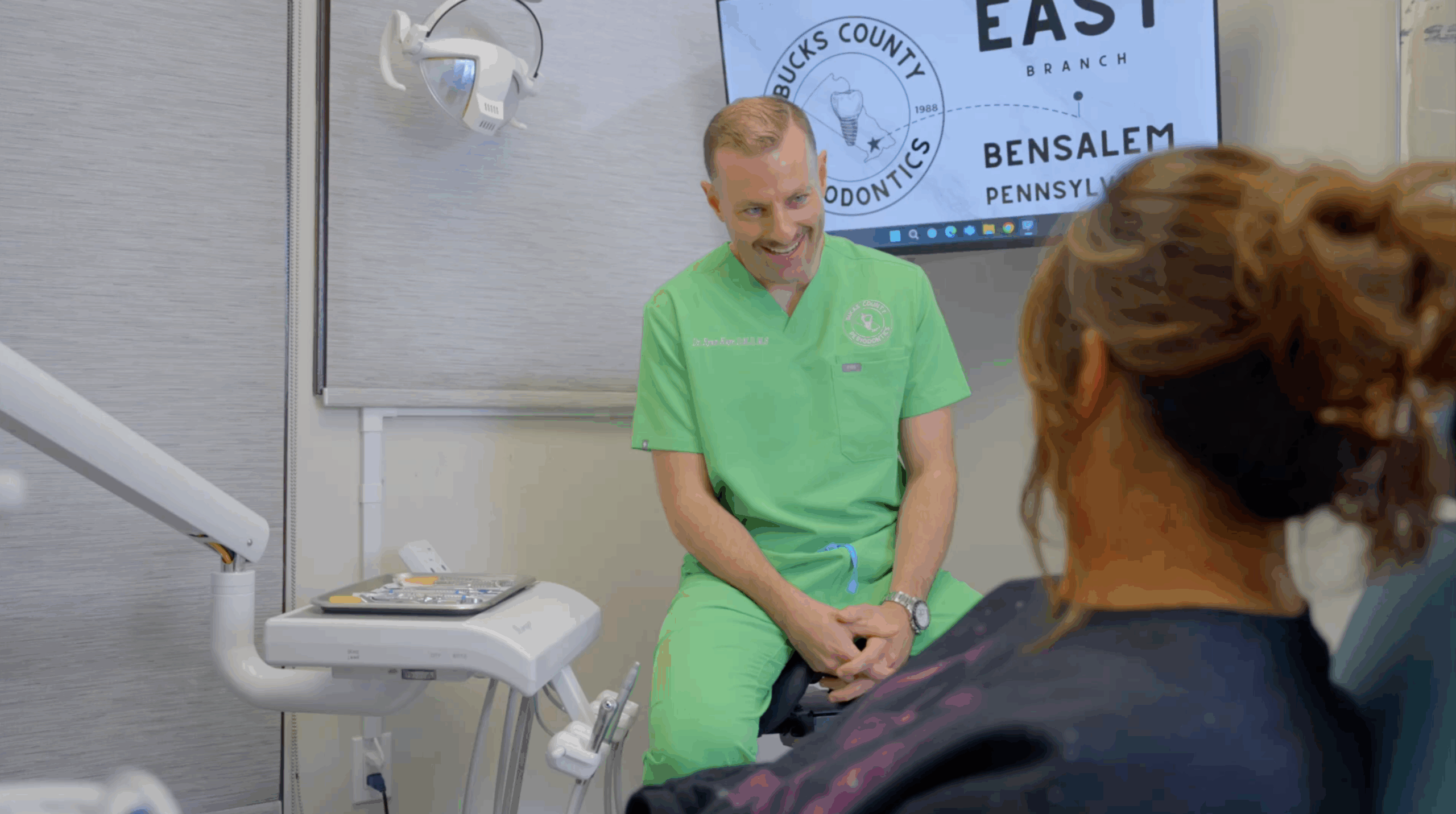
HPV and Oral Health: What You Need to Know in 2026
HPV is now one of the most important topics in modern oral health, largely because it has changed what many people think oral and throat cancer “looks like.” For decades, oral cancer conversations focused almost entirely on tobacco and heavy alcohol use. Those risks still matter. But today, the Human Papillomavirus, more commonly known as HPV, is understood to be a leading driver of oropharyngeal cancers—cancers that develop in the back of the throat, including the tonsils and base of the tongue. The CDC estimates that HPV causes about 60% to 70% of oropharyngeal cancers in the United States. (CDC)
That can feel like an intimidating topic at first. HPV is often discussed in private, sometimes uncomfortable terms, and many people are surprised to learn that it has any connection to the mouth, throat, or dental visits at all. But understanding the connection between HPV and oral health is not about fear. It is about clarity, prevention, and knowing when to ask the right questions.
At Bucks County Periodontics, Dr. Ryan Kaye approaches oral cancer screening as part of a broader commitment to long-term oral health. Whether you are visiting for an Oral Cancer Exam, Professional Teeth Cleaning, Periodontal Maintenance, Periodontal Disease Therapy, or another periodontal concern, your mouth can offer important clues about your overall health. In 2025, that includes having a better understanding of how HPV may affect the oral and oropharyngeal tissues—and why regular screening matters even if you do not smoke.
What Is HPV?
HPV stands for Human Papillomavirus. It is a very common group of viruses, and most sexually active adults are exposed to at least one type of HPV at some point in their lives. In many cases, the immune system clears the virus naturally without a person ever knowing they had it.
There are many types of HPV. Some are considered low-risk and may cause warts. Others are considered high-risk because they can contribute to certain cancers. The HPV types most often associated with cancer include HPV-16 and HPV-18, with HPV-16 being especially important in oropharyngeal cancer discussions.
HPV is most widely known for its connection to cervical cancer, but it can also be associated with cancers of the throat, anus, penis, vulva, and vagina. The National Cancer Institute recognizes HPV as a cause of several cancer types, including oral and oropharyngeal cancers. (Cancer.gov)
For oral health purposes, the key point is this: HPV can infect the mouth and throat. Most infections do not become cancer. But when a high-risk HPV infection persists for many years, it can contribute to abnormal cellular changes in certain tissues of the throat.
HPV and Oral Cancer: What Is the Actual Connection?
When people search “HPV mouth cancer” or “can HPV cause oral cancer,” they are usually trying to understand whether HPV affects the mouth in the same way tobacco can. The answer requires a little anatomical clarity.
HPV is most strongly linked to oropharyngeal cancer, not every type of oral cancer.
The oral cavity includes the lips, cheeks, gums, front part of the tongue, floor of the mouth, and roof of the mouth. The oropharynx is farther back and includes the tonsils, soft palate, base of the tongue, and back of the throat.
This distinction matters because HPV-related cancers most commonly develop in the oropharynx. The American Dental Association notes that HPV is a major risk factor for oropharyngeal cancer rather than oral cancer more broadly. (ADA)
That does not mean patients should ignore changes in the mouth. A sore, lump, red or white patch, persistent hoarseness, swallowing discomfort, or neck swelling should always be evaluated. It simply means the HPV conversation should be medically precise. HPV-related cancer risk is especially relevant to the back-of-throat region, which is one reason a comprehensive Oral Cancer Exam may include more than a quick look at the teeth and gums.
Why HPV Has Changed the Oral Cancer Conversation
Historically, oral and throat cancers were often associated with older adults who had a history of tobacco use, heavy alcohol use, or both. Those remain significant risk factors, and patients who smoke, vape, use smokeless tobacco, or drink heavily should be especially proactive about screening.
But HPV has changed the demographic profile.
Many HPV-related oropharyngeal cancers occur in people who do not fit the older stereotype. Some patients are otherwise healthy. Some do not smoke. Some may not think of themselves as being at risk at all.
That is why the current conversation is so important. The American Cancer Society has reported that oral cavity and oropharyngeal cancer incidence has increased since the mid-2000s, largely because of the rise in cancers linked with HPV infection. (Cancer.org)
For patients, the takeaway is not that everyone should be worried all the time. The takeaway is that screening should be normalized. Oral cancer screening is not only for people with obvious risk factors. It is a sensible part of modern preventive care.
How HPV-Related Oropharyngeal Cancer Develops
HPV-related oropharyngeal cancer does not develop immediately after exposure. In most cases, HPV infections are cleared by the immune system. When the body does not clear a high-risk HPV infection, the virus may remain in the tissues for years. Over time, persistent infection can interfere with normal cell growth and repair.
The CDC explains that it usually takes years after HPV infection for cancers to develop in the oropharynx. (CDC)
This long timeline is one of the reasons screening and symptom awareness matter. Patients may not know when they were exposed. They may not have symptoms for many years. And there is currently no standard, approved screening test that can reliably tell someone whether they have HPV in the mouth or throat in the same way cervical HPV testing is used in gynecologic care.
That can sound frustrating, but it also reinforces the value of regular professional evaluation. The goal is not to test every person for oral HPV. The goal is to identify abnormal tissue changes, persistent symptoms, or suspicious findings early enough to guide the next appropriate step.
Can You Test for HPV in the Mouth or Throat?
This is one of the most common patient questions, and the answer is important.
At this time, there is no approved HPV test to find HPV in the mouth or throat. The CDC states that there is no test to determine a person’s overall HPV status and no approved HPV test for HPV in the mouth or throat. (CDC)
That means a dental or periodontal practice should not position oral HPV testing as a routine substitute for a clinical exam. Instead, the standard approach is careful evaluation of symptoms, medical history, visual examination, tactile examination, and appropriate referral or biopsy when indicated.
At Bucks County Periodontics, this is part of why patient communication matters. If something looks or feels unusual, Dr. Ryan Kaye can discuss what was observed, whether monitoring is appropriate, and whether further evaluation is needed.
What an Oral Cancer Exam Can Detect
An Oral Cancer Exam is not a test for HPV itself. It is a clinical screening designed to identify tissue changes or symptoms that may need closer attention.
During an oral cancer screening, a dental professional may examine the lips, cheeks, gums, tongue, floor of the mouth, roof of the mouth, throat area, tonsillar region, jaw, and neck. The exam may include both visual inspection and gentle palpation to feel for lumps, swelling, or areas that do not feel typical. Mayo Clinic describes oral cancer screening as a process that may include looking for sores, red or white patches, and feeling tissues for lumps or atypical areas. (Mayo Clinic)
A screening does not mean something is wrong. It also does not guarantee that every possible abnormality will be found. But it provides a structured, proactive opportunity to evaluate the mouth, throat, and surrounding tissues.
For patients already seeing Bucks County Periodontics for Periodontal Maintenance, Scaling & Root Planing, Periodontal Disease Therapy, Pocket Reduction Surgery, Gum Graft Surgery, or Dental Implant Therapy, oral cancer screening can fit naturally into a larger preventive-care mindset.
Signs and Symptoms Patients Should Not Ignore
Many changes in the mouth are harmless and temporary. A cheek bite, canker sore, irritation from a sharp food edge, or minor gum inflammation can often resolve on its own. But certain symptoms should be evaluated if they persist.
Contact a dental or medical professional if you notice:
A sore that does not heal
A mouth sore that lasts longer than two weeks should be evaluated, especially if it is not improving.
A lump or thickened area
This may appear in the cheek, tongue, neck, jaw, or throat region.
Red or white patches
Persistent red, white, or mixed red-and-white patches should be checked.
Difficulty swallowing or a feeling that something is stuck
This can have many causes, but persistent symptoms should not be ignored.
Unexplained hoarseness or voice changes
Voice changes that linger may require evaluation beyond a routine dental exam.
Ear pain without an obvious ear infection
Referred pain can sometimes occur with throat-related conditions.
Swelling in the neck
A painless lump or enlarged lymph node in the neck should be assessed.
None of these symptoms automatically means cancer. In many cases, there may be a non-cancerous explanation. The important point is persistence. If something is not resolving, it deserves attention.
Who Should Be More Proactive About Screening?
Everyone benefits from routine oral cancer screening, but some patients should be especially proactive.
Patients with a history of HPV exposure or concern
Because HPV is common, many people will not know whether they have been exposed. If you have specific concerns, it is appropriate to bring them up directly during your appointment.
Patients who smoke, vape, or use tobacco products
Tobacco remains a major oral and throat cancer risk factor. Patients who use tobacco should be especially consistent with dental and periodontal visits.
Patients who drink alcohol heavily
Alcohol use can contribute to oral and throat cancer risk, particularly when combined with tobacco.
Patients with persistent mouth or throat symptoms
Symptoms that linger deserve evaluation, even in otherwise healthy patients.
Patients with a history of gum disease or complex oral health needs
Gum disease does not mean a person has HPV-related cancer risk. However, patients receiving ongoing periodontal care are already in a clinical setting where the soft tissues, gums, bone support, inflammation patterns, and long-term oral health can be monitored closely.
Patients preparing for dental implants or full-arch treatment
If you are considering Dental Implant Therapy, All-On-X / Full-Arch Implants, Bone Grafting, or Guided Bone & Tissue Regeneration, your provider needs a clear understanding of your oral and periodontal health before treatment planning. Healthy tissue evaluation is part of responsible care.
HPV, Gum Disease, and Periodontal Health: Are They Connected?
Patients often ask whether HPV causes gum disease or whether gum disease causes HPV-related cancer. The relationship is not that simple.
Periodontal disease is primarily a bacterial inflammatory condition affecting the gums, ligaments, and bone that support the teeth. HPV is a viral infection associated with certain cellular changes, particularly in the oropharynx. They are different conditions with different causes.
However, oral health still matters.
A healthy mouth supports clearer clinical evaluation. When the gums are inflamed, bleeding, swollen, or infected, it can be harder for patients to distinguish between everyday periodontal symptoms and unusual tissue changes. Regular Professional Teeth Cleaning, Periodontal Maintenance, and treatment for gum disease can help reduce inflammation, improve tissue health, and support better long-term monitoring.
That is one reason periodontal care is not just about saving teeth, although that is extremely important. It is also about helping patients maintain a healthier oral environment over time.
HPV Vaccination and Oral Health Prevention
The HPV vaccine is one of the most important prevention tools available. It is designed to protect against the HPV types most commonly associated with cancer.
The CDC recommends routine HPV vaccination for adolescents, with catch-up vaccination recommended for everyone through age 26 if they were not adequately vaccinated earlier. For adults ages 27 through 45, HPV vaccination is not routinely recommended for everyone, but some adults may choose vaccination after a conversation with their clinician about their personal risk and potential benefit. (CDC)
For parents, this is an especially meaningful conversation. HPV vaccination is often discussed in pediatric or primary-care settings, but dental and periodontal teams can also help reinforce why it matters. The vaccine is not only about cervical cancer prevention. It is also part of the broader cancer-prevention conversation that includes oropharyngeal cancers.
If you are an adult and unsure whether vaccination applies to you, speak with your primary care physician, gynecologist, or appropriate medical provider. Dr. Ryan Kaye can also help you understand why HPV is relevant to oral health and encourage the right medical follow-up when needed.
Why a Periodontal Practice Is Part of the Conversation
A periodontist specializes in the structures that support the teeth: gums, bone, ligaments, and the surrounding oral tissues. At Bucks County Periodontics, that includes helping patients manage gum disease, rebuild lost support, preserve teeth when possible, and plan advanced treatments such as Dental Implant Therapy, Bone Grafting, Guided Bone & Tissue Regeneration, Gum Graft Surgery, and All-On-X / Full-Arch Implants.
So where does HPV fit?
HPV-related oropharyngeal cancer is not treated with periodontal therapy. A periodontist is not replacing an oncologist, ENT specialist, primary care physician, or other medical provider. But periodontal visits create an opportunity for prevention-focused observation. The mouth is examined regularly. Soft tissues are evaluated. Symptoms can be discussed. Suspicious findings can be documented and referred for further evaluation.
That is why oral cancer screening belongs within comprehensive periodontal care. It is part of seeing the whole patient, not just one tooth, one gum pocket, or one procedure.
What Happens If Something Looks Unusual?
If Dr. Ryan Kaye notices an area of concern during an exam, the next step depends on what is seen and felt.
In some cases, the area may be monitored for a short period to see whether it resolves. This may be appropriate when irritation, trauma, or inflammation appears likely.
In other cases, further diagnostic evaluation may be recommended. That could include referral to an appropriate medical or dental specialist, imaging, or biopsy, depending on the finding.
The key is that unusual findings are handled thoughtfully. Not every lesion is cancer. Not every symptom is urgent. But persistent or suspicious changes should not be dismissed.
For patients, this can be reassuring. You do not need to diagnose yourself. You simply need to speak up about changes, keep your appointments, and allow your care team to guide the next step.
Common Patient Questions About HPV and Oral Health
Can HPV cause mouth cancer?
HPV is most strongly associated with oropharyngeal cancers, which occur in the back of the throat, tonsils, and base of the tongue. It is less accurate to say HPV causes all “mouth cancers.” The distinction matters because the oral cavity and oropharynx are different anatomical regions.
Does having HPV mean I will get cancer?
No. Most HPV infections clear naturally and never cause cancer. Persistent infection with high-risk HPV types is the concern, and cancer development usually takes many years.
Can I be screened for oral HPV?
There is currently no approved routine test to detect HPV in the mouth or throat. Clinical screening focuses on evaluating tissues, symptoms, and suspicious changes rather than testing for oral HPV itself. (CDC)
Should I still get an Oral Cancer Exam if I do not smoke?
Yes. Tobacco history is no longer the only reason to be screened. HPV-related oropharyngeal cancers have changed the risk conversation, and screening is appropriate even for patients who do not smoke.
Can gum disease make HPV worse?
Gum disease and HPV are different conditions. Gum disease is a bacterial inflammatory disease affecting the supporting structures around the teeth. HPV is a viral infection. That said, maintaining healthy gums supports better overall oral health, clearer tissue evaluation, and a more stable foundation for long-term care.
Is the HPV vaccine relevant to oral health?
Yes. HPV vaccination helps protect against HPV types associated with several cancers, including oropharyngeal cancers. Patients should discuss vaccination eligibility with their medical provider, especially if they are under 26 or between 27 and 45 and have questions about potential benefit. (CDC)
What should I do if I notice a lump, sore, or throat symptom?
If a sore, lump, patch, swallowing issue, hoarseness, or neck swelling persists for more than two weeks, schedule an evaluation. You can begin with a dental or periodontal visit, and further referral can be made if needed.
How Bucks County Periodontics Supports Long-Term Oral Health
At Bucks County Periodontics, oral health is viewed through a long-term lens. That means helping patients treat active periodontal disease, maintain healthier gums, replace missing teeth when appropriate, and monitor changes that may affect broader health.
Depending on your needs, your personalized care plan may include:
- Oral Cancer Exam for soft tissue and throat-area screening
- Professional Teeth Cleaning for preventive maintenance
- Scaling & Root Planing for deeper bacterial disruption below the gumline
- Periodontal Maintenance for patients with a history of gum disease
- Periodontal Disease Therapy to manage infection, inflammation, and tissue breakdown
- Pocket Reduction Surgery when deeper periodontal pockets require surgical correction
- Gum Graft Surgery for recession and tissue support
- Dental Implant Therapy for tooth replacement
- Bone Grafting or Guided Bone & Tissue Regeneration to rebuild lost support
- All-On-X / Full-Arch Implants for patients needing a more comprehensive tooth-replacement solution
- Dental Cosmetic Therapy or Aesthetic Crown Lengthening when health, function, and appearance overlap
Every patient is different. Diagnosis and treatment planning are personalized at the Bensalem and Richboro locations based on your medical history, oral health, periodontal condition, symptoms, goals, and risk factors.
The Most Empowering Step: Talk About It
HPV can feel like a difficult topic because it is often associated with stigma. But from a healthcare perspective, it is simply a common virus with important implications for prevention and screening.
You do not need to feel embarrassed asking about HPV and oral health. You do not need to know the exact terminology. You do not need to determine whether a symptom is serious on your own.
A simple question is enough:
“Should I be concerned about HPV-related oral or throat cancer?”
That question opens the door to education, screening, and appropriate guidance.
In 2025, modern periodontal care should include this conversation. Not because every patient is at high risk, but because every patient deserves clear information.
Schedule an Oral Cancer Exam in Bensalem or Richboro
Understanding the connection between HPV and oral health is one of the most empowering steps you can take for your long-term wellbeing. While HPV-related oropharyngeal cancer can sound intimidating, regular evaluation, symptom awareness, and personalized periodontal care can help you stay informed and proactive.
At Bucks County Periodontics, Dr. Ryan Kaye provides advanced periodontal care in a supportive, patient-centered environment. Whether you are due for an Oral Cancer Exam, managing gum disease, exploring dental implants, or simply looking for a trusted specialist to help protect your long-term oral health, our team is here to help.
Schedule a visit at our Bensalem or Richboro office to take the next step with confidence.